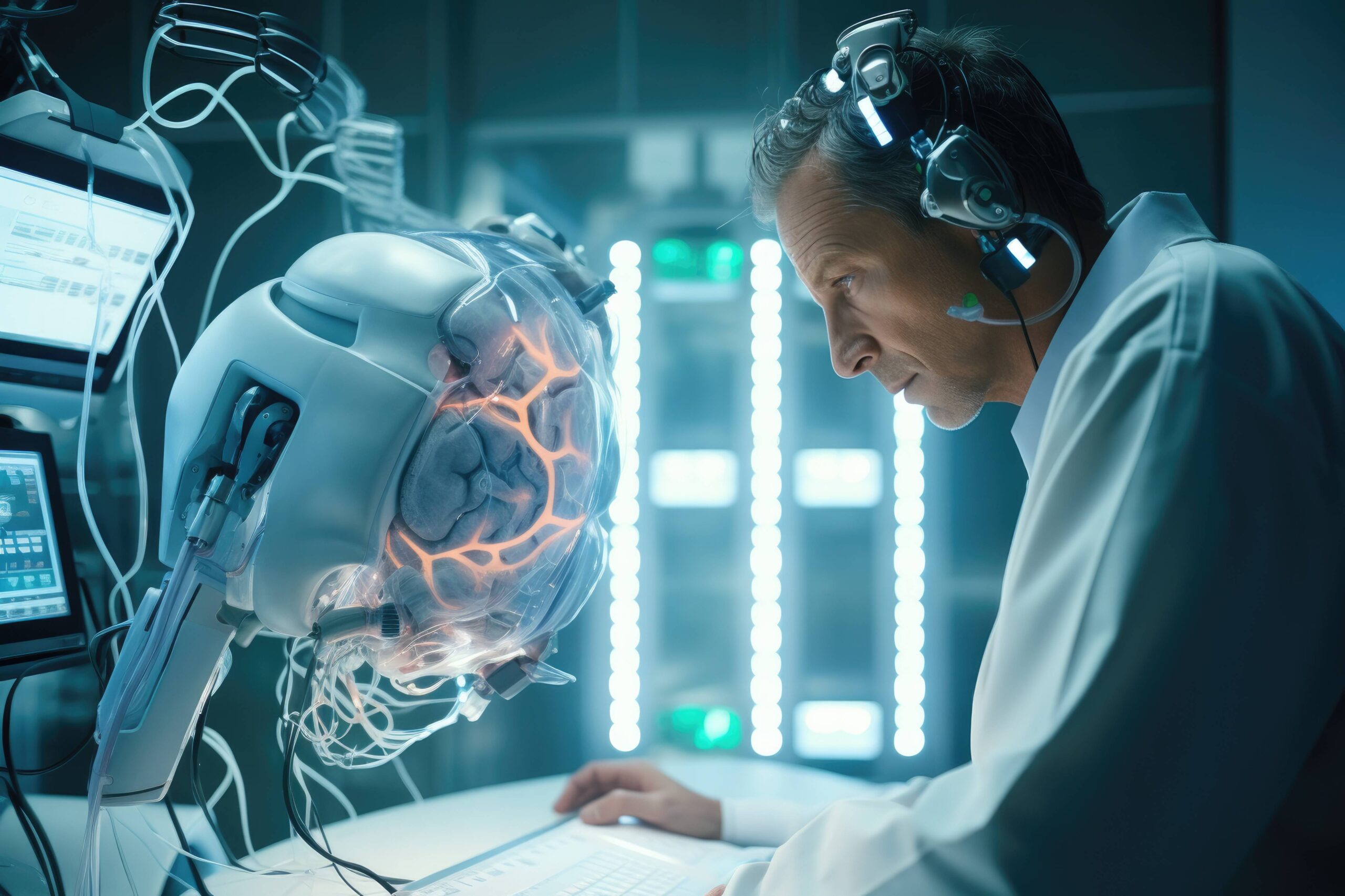
1. The Visual Revolution Orthopaedic Clinics Cannot Ignore
Orthopaedic clinics across India are standing at the edge of a visual transformation. AI-powered diagnostics are now interpreting scans faster than traditional workflows. Robotics is entering operating rooms. Virtual reality is allowing surgeons to walk through complex fractures before the first incision. Augmented reality is overlaying live guidance directly onto surgical fields.
The question is no longer whether these technologies will arrive. The real question is whether orthopaedic clinics in India are prepared for what 2026 is about to demand.
India is facing a sharp rise in musculoskeletal disorders driven by ageing populations, urban lifestyles, sports injuries, and road trauma. At the same time, patient expectations are shifting. People want faster diagnoses, visual explanations, minimally invasive procedures, and predictable outcomes. Clinics still relying on fragmented imaging systems, static reports, and manual workflows are falling behind.
This is where VR data visualisation for orthopaedics becomes a turning point. When immersive visualisation is combined with AI analytics and intelligent clinic software like EasyClinic, orthopaedic practices move from reactive care to precision-driven planning and execution. Platforms such as Easyclinic are increasingly becoming the digital foundation that connects imaging, workflows, and clinical decision-making into one intelligent ecosystem.
2. Recent Augmented Reality, Virtual Reality, and AI Automation Trends in Orthopaedic Surgery in 2026
The year 2026 marks a shift from experimental adoption to mainstream clinical use of immersive and visual technologies in orthopaedics.
| Technology Trend | What Is Changing in 2026 | Clinical Impact in Orthopaedics |
| AI-Driven 3D Imaging Reconstruction | AI converts CT, MRI, and X-ray data into interactive 3D models | Surgeons visualise fractures, joints, and deformities before surgery |
| Virtual Reality Surgical Planning | Surgeons rehearse procedures inside VR environments | Reduced intraoperative surprises and faster surgical times |
| Augmented Reality Surgical Navigation | AR overlays anatomical guidance during live procedures | Increased precision in implant placement and alignment |
| Digital Twin Models | Patient-specific anatomical replicas generated from imaging data | Personalised surgical planning and outcome prediction |
| Predictive Visual Analytics | AI highlights risk zones and stress points visually | Improved decision-making for complex reconstructions |
| Robotic Surgery Visualisation Integration | Robotics linked with live 3D visualisation | Greater accuracy in minimally invasive procedures |
| EMR-Integrated Imaging Dashboards | Imaging data embedded directly into clinical workflows | Faster collaboration and reduced diagnostic delays |
These trends are no longer isolated innovations. They are converging into unified systems where visualisation, analytics, and clinical operations work together through AI-ready platforms such as EasyClinic’s clinic management and EMR features available at EasyClinic Features.
3. Why Orthopaedic Clinics in India Are Under Pressure Right Now
Orthopaedic clinics in India are experiencing pressure from multiple directions at once.
Patient volumes are rising sharply due to lifestyle diseases, sports participation, trauma cases, and ageing demographics. Skilled orthopaedic surgeons and trained staff are in limited supply, creating bottlenecks in diagnosis and surgery scheduling. Regulatory compliance around documentation, imaging records, and digital health standards is increasing. Meanwhile, tech-enabled clinics are setting new benchmarks for patient experience.
Many orthopaedic clinics are still managing 2025 patient volumes with 2010 systems.
Patients now expect visual explanations of their condition, faster surgical planning, and transparent outcomes. Clinics that cannot translate complex imaging into understandable insights lose trust. AI-powered platforms like EasyClinic help orthopaedic practices modernise by connecting imaging, scheduling, documentation, and follow-ups into a single digital workflow that scales with demand.
4. The Biggest Operational Problems Holding Orthopaedic Clinics Back
The operational challenges in orthopaedic care are often invisible until they begin affecting outcomes and revenue.
Manual scheduling chaos leads to delayed surgeries and underutilised operating rooms. Fragmented patient records force surgeons to search across systems for imaging, reports, and historical data. Billing leakages occur when procedures, implants, and follow-ups are not accurately captured. Post-operative follow-ups are inconsistent, increasing complication risks. Most clinics lack real-time insights into case complexity, resource allocation, and surgical outcomes.
Imagine an orthopaedic clinic still printing imaging films while a competitor uses immersive 3D models to plan complex joint replacements. The difference is not just technology. It is operational maturity.
By centralising workflows through AI-powered orthopaedic EMR systems like EasyClinic, clinics gain visibility, control, and clinical confidence across every stage of care.
5. Why AI Diagnostics, AR, VR, and Robotics Are Exploding in Orthopaedic Clinics Right Now in 2026
Orthopaedic care is uniquely dependent on visual accuracy. Bones, joints, ligaments, and alignment issues cannot be understood through numbers alone. They demand precise interpretation of imaging, spatial awareness, and predictive insight. This is exactly why AI diagnostics, AR, VR, and robotics are seeing accelerated adoption in orthopaedic clinics in 2026.
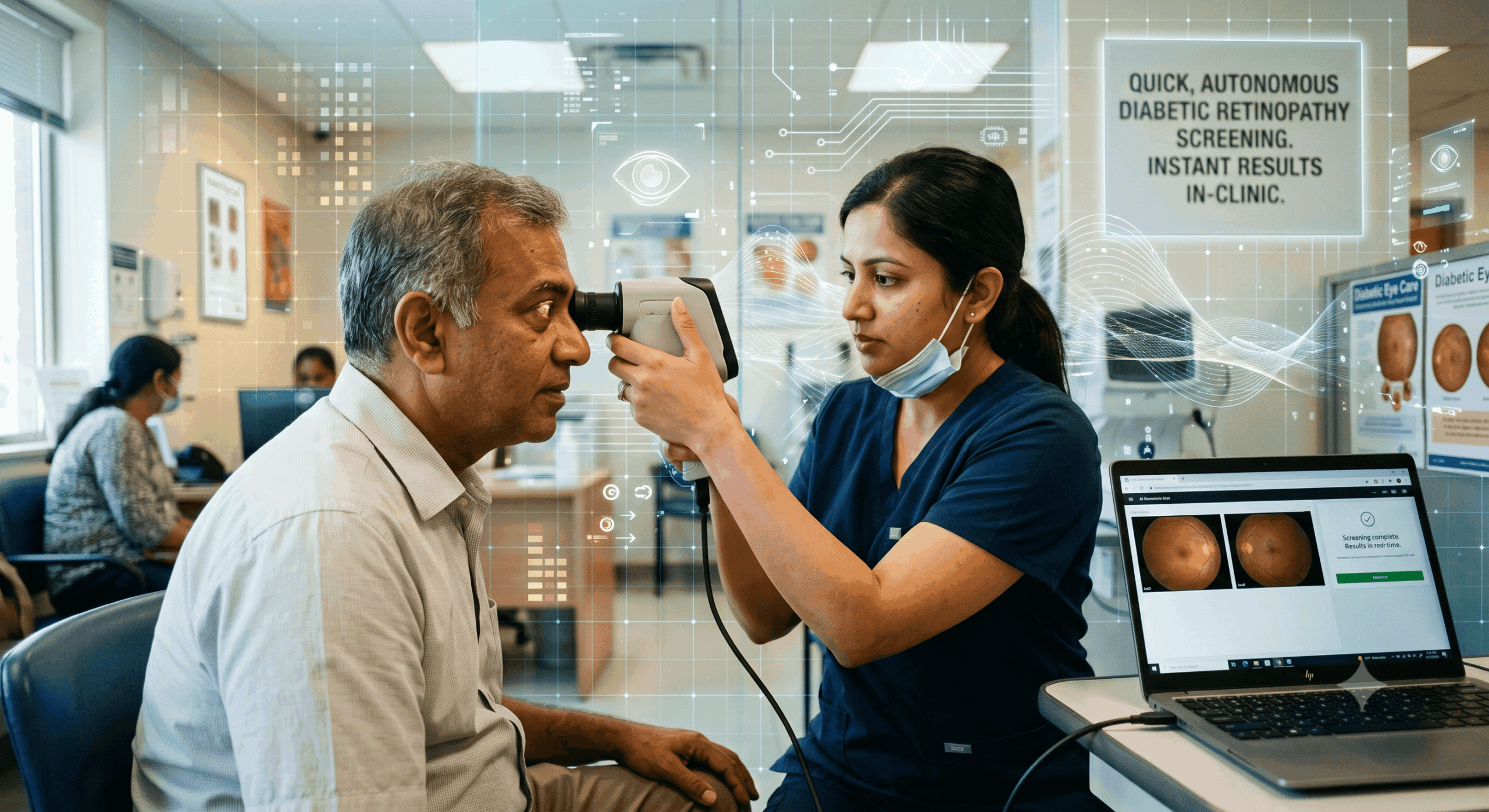
At the diagnostic level, AI-assisted imaging tools now analyse X-rays, CT scans, and MRIs to detect micro-fractures, alignment deviations, cartilage degeneration, and early-stage osteoarthritis with remarkable consistency. These systems do not replace radiologists or orthopaedic surgeons. Instead, they act as a second set of eyes, highlighting anomalies that may otherwise be missed during high-volume clinical days. This directly reduces diagnostic variability and shortens the time between imaging and treatment decisions.
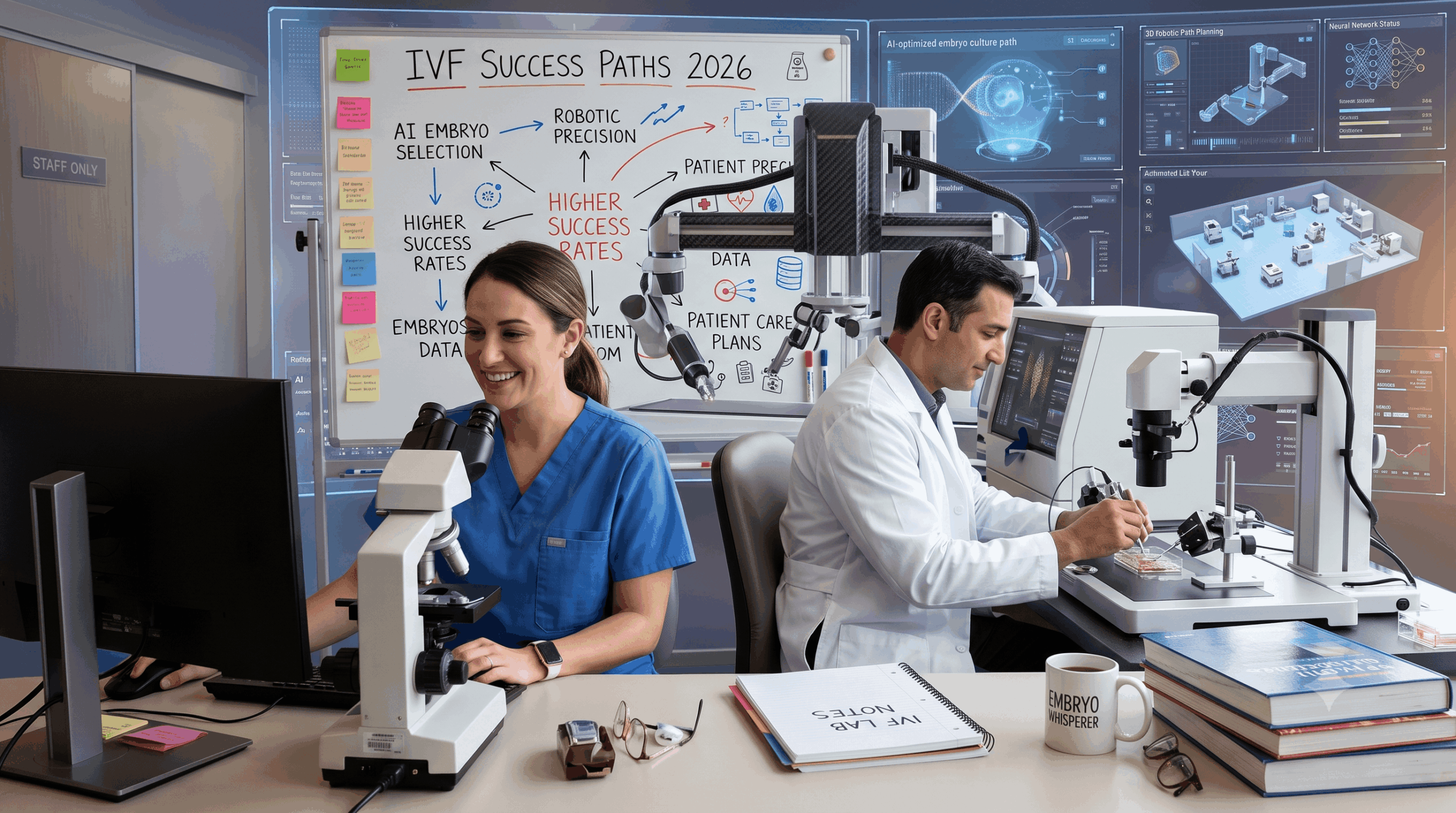
Virtual reality has moved beyond training environments into active clinical planning. Orthopaedic surgeons are now using VR to step inside a patient-specific 3D reconstruction of a joint, spine, or fracture. This allows them to rehearse complex procedures, test different implant sizes, and anticipate anatomical challenges before entering the operating theatre. In 2026, this pre-visualisation capability will become critical for managing complex trauma, deformity correction, and revision surgeries where margins for error are minimal.
Augmented reality is transforming what happens during surgery itself. AR systems overlay critical anatomical landmarks, implant positioning guides, and alignment cues directly into the surgeon’s field of view. For procedures such as knee replacements, spinal fixation, or fracture reduction, this real-time visual guidance improves precision while reducing reliance on repeated imaging checks. The result is shorter operative times, reduced radiation exposure, and more consistent outcomes across surgical teams.
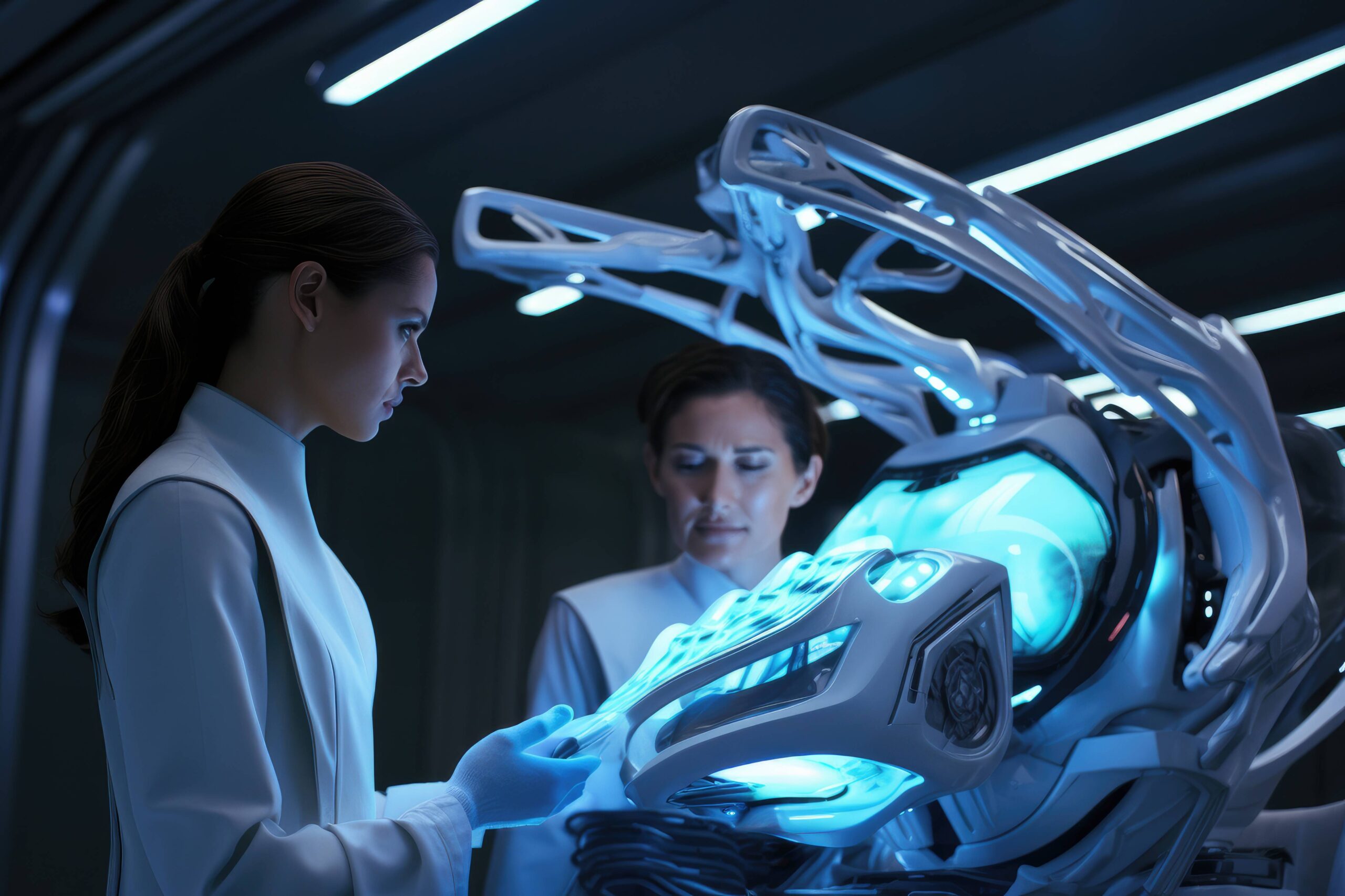
Robotics further amplifies these gains by translating planned precision into controlled execution. Robotic-assisted orthopaedic systems now work in tandem with AI-driven planning and AR visualisation, ensuring that bone cuts, implant placements, and alignments follow pre-defined parameters with millimetre-level accuracy. In 2026, robotics will no longer be positioned as a luxury. It is increasingly seen as a reliability layer that reduces fatigue-related variability and supports minimally invasive approaches.
What ties all these technologies together is data. AI generates insights. VR and AR translate insights into spatial understanding. Robotics executes precision. But without intelligent workflow orchestration, their impact remains fragmented. This is where AI-powered clinic management platforms like EasyClinic become essential. By embedding imaging, surgical plans, predictive analytics, and post-operative data into a unified EMR workflow available through EasyClinic Features, clinics ensure that visual intelligence is not siloed but operationalised across the entire patient journey.
In simple terms, AI does not replace orthopaedic expertise. It replaces inefficiency, uncertainty, and fragmentation. Clinics adopting this integrated approach are not just keeping up with technology. They are redefining how orthopaedic care is delivered in India in 2026.
6. How AI-Powered EMR Software Solves These Problems for Orthopaedic Clinics
Orthopaedic clinics do not need more tools. They need smarter systems.
AI-powered EMR software organises patient data instantly, linking imaging, diagnostics, and surgical notes. Smart scheduling reduces no-shows and optimises operating room utilisation. Predictive analytics helps clinics prioritise complex cases and allocate resources effectively. Automated billing audits reduce revenue leakage. Visual dashboards give clinic owners real-time control over performance and outcomes.
Platforms like EasyClinic are designed to connect visualisation technologies with daily clinical workflows. By embedding imaging insights directly into patient records and surgical planning, Features becomes the operational backbone for modern orthopaedic care.
7. Real-World Use Cases Clinics Can Relate To
A multi-speciality orthopaedic centre in India struggled with long surgical planning cycles for complex trauma cases. After adopting AI-driven visualisation and integrating workflows through EasyClinic, surgeons reduced pre-operative planning time by 40 per cent and improved surgical accuracy.
A cardiology centre using immersive visualisation tools saw faster diagnostic consensus across teams when integrated with a unified EMR, reducing patient wait times significantly.
A dental clinic leveraging predictive analytics and visual dashboards improved patient throughput and revenue clarity, demonstrating how visualisation-ready platforms scale across specialities.
These outcomes are becoming common as clinics adopt AI-powered systems like EasyClinic.
8. Robotics, AR, VR, AI, and EMR. The Bigger Picture in Orthopaedic Care
Robotics generate precise procedural data during surgery.
AI interprets imaging and procedural patterns.
AR and VR convert data into immersive clinical insight.
Clinic management EMR platforms operationalise everything.
Without intelligent clinic management, advanced visualisation remains underutilised. EasyClinic acts as the connective tissue that brings imaging, planning, surgery, and follow-up into one continuous workflow. Robotics without intelligent EMR integration is incomplete. Visualisation without operational intelligence is limited. The future belongs to clinics that unify all three.
9. What Orthopaedic Clinics in India Must Do to Stay Competitive
Orthopaedic clinics must digitise workflows end-to-end. They must adopt AI-first systems that support visualisation and analytics. They must prepare for robotics integration and future surgical innovations. Most importantly, they must choose scalable clinic management platforms that grow with their practice.
EasyClinic helps orthopaedic clinics transition into AI-first operations without disruption, enabling them to compete in a precision-driven healthcare environment.
10. Cost, ROI, and Business Impact of AI Clinic Management
The cost of not adopting AI is rising every year. Delayed diagnoses, inefficient planning, revenue leakage, and patient dissatisfaction all carry financial consequences.
Clinics using AI-powered visualisation and workflow automation see faster case turnaround, improved surgical outcomes, and better utilisation of staff and infrastructure. When clinics evaluate pricing for scalable AI-ready EMR systems through EasyClinic Pricing, they often discover that operational savings far outweigh technology investments.
11. Be a Breakthrough Pioneer in AI-Driven Orthopaedic Healthcare in India
Be a Breakthrough Pioneer in AI-Powered EMR Software for Orthopaedic Clinics in India
Early adopters are already winning. AI, AR, VR, and robotics are reshaping orthopaedic care now, not in some distant future. Clinics that act today gain precision, efficiency, and patient trust.
Talk to EasyClinic to explore how AI-powered EMR software can transform your orthopaedic practice at EasyClinic.
12. Frequently Asked Questions
How does VR data visualisation improve orthopaedic diagnostics?
VR converts imaging into interactive 3D models, helping surgeons understand complex anatomy more clearly.
Is AR safe for use during orthopaedic surgery?
Yes, AR provides visual guidance without interfering with surgical judgment when implemented correctly.
Do small orthopaedic clinics benefit from AI visualisation?
Yes, scalable platforms like EasyClinic make advanced tools accessible to clinics of all sizes.
Can visualisation tools integrate with existing imaging systems?
Modern EMRs support integration with standard imaging formats and devices.
Does AI replace orthopaedic surgeons?
No, AI augments clinical expertise and reduces cognitive overload.
How does EasyClinic support orthopaedic workflows?
It connects imaging, scheduling, documentation, billing, and follow-ups in one system.
Is patient data secure in AI-powered systems?
Compliance-ready platforms follow strict data protection and interoperability standards.
What surgeries benefit most from VR planning
Joint replacements, spinal procedures, and complex trauma cases see the highest impact.
How soon can clinics see ROI
Many clinics see measurable efficiency gains within months of adoption.
Is this technology future-proof?
Yes, AI-ready EMR platforms are designed to evolve with emerging technologies.
13. Conclusion. The Future of Orthopaedics Is Visual, Intelligent, and Integrated
AI-driven visualisation is becoming the standard of orthopaedic care. Clinics that fail to adapt will face widening gaps in outcomes, efficiency, and patient trust. Robotics, AI, AR, and VR will continue to evolve, but only clinics with intelligent operational backbones will fully benefit.
With platforms like EasyClinic, orthopaedic practices in India can confidently step into 2026 and beyond.