Embracing the Power of Health Wearables for Predictive Care
As healthcare evolves toward proactive and patient-centered care, health wearables have become a cornerstone in the movement toward predictive health monitoring. These compact, tech-enabled devices are transforming how clinics and doctors track, assess, and respond to patient data—even before symptoms arise.
For doctors and clinic practitioners, incorporating health wearables into daily practice isn’t just about adopting technology—it’s about empowering patients, improving outcomes, and modernizing care. With the support of smart EMR software, clinic software, and data analytics, wearables are paving the way for early interventions, chronic disease management, and operational efficiency.
1. Understanding Predictive Health Monitoring with Wearables
What Is Predictive Health Monitoring?
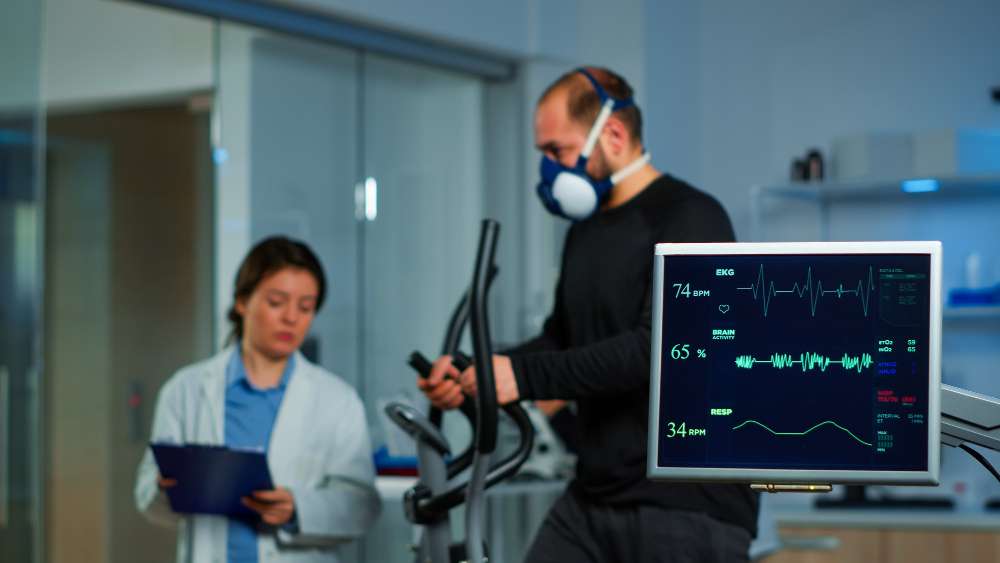
Predictive health monitoring refers to collecting real-time physiological data and analyzing it to anticipate health events. Instead of waiting for illness to manifest, wearables provide insights that enable:
- Early detection of anomalies
- Prevention of hospital readmissions
- Personalized treatment plans
Examples include detecting arrhythmias before symptoms or identifying respiratory distress through sleep apnea trackers.
The Role of Health Wearables
Health wearables are devices like smartwatches, biosensors, or patches that capture real-time data. This data is fed into EMR software or clinic EMR systems to support informed clinical decisions. The result? Data-backed, patient-centric care.
2. Practical Use Cases of Health Wearables in Clinics
Chronic Disease Management
Wearables are especially impactful in managing chronic diseases such as:
- Diabetes: Continuous glucose monitors notify patients and clinics of abnormal sugar levels.
- Hypertension: Smart blood pressure monitors detect irregularities before escalation.
- COPD: Respiratory wearables track oxygen saturation and breathing patterns.
With integration into healthcare software, clinics can automate alerts, schedule follow-ups, and tailor interventions.
Post-Operative Recovery
Using wearable tech, doctors can monitor:
- Heart rate variability
- Sleep quality
- Physical activity levels
This ensures patients recover well at home, reducing the need for in-person visits while improving outcomes and reducing readmissions.
Preventive Health and Fitness Tracking
Wearables now play a preventive role by:
- Encouraging physical activity
- Monitoring hydration and sleep
- Sending reminders for medication
EasyClinic can synchronize this data to enhance patient engagement and provide a comprehensive view of well-being.
3. Integrating Wearables with EMR Software for Real-Time Analysis
Wearables generate massive datasets. To make them useful, clinics must connect them with intelligent systems like AI-powered EMRs.
Benefits of Integration
- Auto-recording vitals directly into patient profiles
- Generating predictive insights for risk stratification
- Creating alerts for immediate intervention
Doctors can also view visual health trends using health data analytics to anticipate complications and intervene early.
4. Boosting Clinic Efficiency with Wearable Data
Automating Routine Monitoring
Wearables free up clinic staff from repetitive tasks. With connected clinic management software, you can:
- Automate follow-up scheduling based on vital sign deviations
- Generate auto-summaries for doctor consultations
- Share insights with specialists seamlessly
Supporting Virtual Consultations
Teleconsultation is strengthened when wearables feed live data during virtual visits. For example:
- A patient with arrhythmia joins a video call
- The doctor views their heart rate trend pre-consultation
- Adjustments are made on the spot
This enhances clinic efficiency and patient satisfaction, especially in rural or underserved areas.
5. Key Features Clinics Should Look for in Wearable Tech
Accurate Data Capture
Ensure the wearable has medical-grade sensors to reliably track:
- Heart rate
- SpO2
- Temperature
- Sleep cycles
Seamless API Integration
Choose devices compatible with your EMR or clinic software so data flows smoothly and doesn’t require manual input.
Custom Alerts and Notifications
Smart wearables should support:
- Physician alerts for threshold breaches
- Patient reminders for medication, hydration, or steps
- Weekly wellness summaries
6. Overcoming Challenges in Wearable Implementation
Data Overload
Solution: Use AI-driven analytics to filter key health indicators and suppress noise.
Patient Compliance
Solution: Integrate wearables with gamified health apps or incentive-based patient engagement campaigns.
Data Security
Solution: Ensure encryption protocols and work with providers that comply with healthcare regulations for data safety.
7. The Future of Predictive Health Monitoring
As tech evolves, health wearables will go beyond vitals. We are moving toward:
- Digital biomarkers for early disease detection
- Multi-sensor devices combining skin temperature, respiration, and ECG
- Voice and gait analysis via mobile apps
Combined with EMR automation, this will give doctors complete visibility into a patient’s current and predicted state of health.
8. Case Examples: Clinics Benefiting from Predictive Monitoring
Scenario 1: Diabetes Management in Rural Clinics
A clinic in Kenya integrates glucose monitors with EasyClinic. Patients receive alerts, and doctors are notified of risks in real-time. Outcome? Better sugar control, fewer ER visits.
Scenario 2: Post-Operative Cardiac Care
A patient is discharged with a smartwatch that tracks heart rate. Any spike triggers a flag in the EMR, prompting a nurse to call and schedule a check-in.
These simple, scalable interventions reduce burden and improve clinical outcomes.
Conclusion:
A New Era of Proactive Patient Care
The shift toward predictive health monitoring driven by health wearables is redefining healthcare. It places clinics in a better position to:
- Act before symptoms worsen
- Empower patients through knowledge
- Use data for smarter, faster decisions
By linking wearables with intelligent EMR software, clinic software, and healthcare analytics, your clinic can stay ahead of patient expectations and transform care delivery.
Ready to enable predictive care at your clinic? Visit EasyClinic to discover how our technology platform integrates seamlessly with wearable devices, AI assistants, and patient engagement systems.