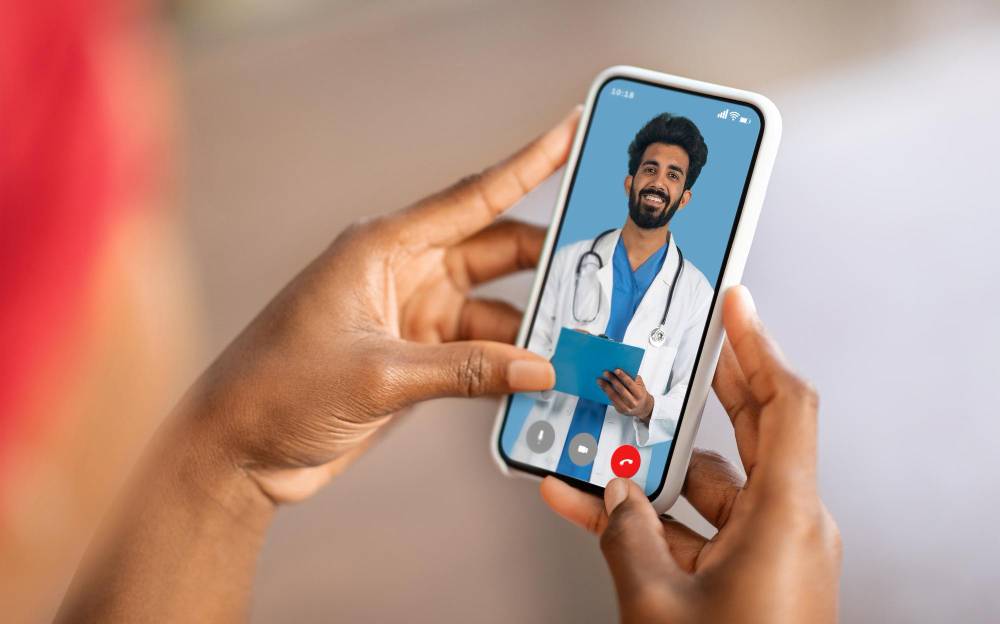
Are you wondering how I can use telemedicine to grow my clinic in India? Telemedicine in India, the delivery of healthcare services through electronic communication, has become an integral part of India’s healthcare system, especially with the integration of artificial intelligence (AI). In the where access to healthcare varies widely between urban and rural areas, telemedicine for clinics in India—enhanced by AI—offers a solution to bridge the gap. This guide will walk you through how I use telemedicine to grow my clinic in India, covering its benefits, the role of AI, implementation steps, and tips for success at your healthcare clinic in India. We’ll also highlight how platforms like EasyClinic can simplify the process, making telemedicine accessible for your practice. Let’s explore how telemedicine can transform your practice and improve healthcare services in India.
Table of Contents
- Why Use Telemedicine for Clinics in India?
- Benefits of Telemedicine for Clinic Growth
- The Role of AI in Enhancing Telemedicine for Clinics
- Steps on How I Use Telemedicine to Grow My Clinic in India
- Choosing the Right Telemedicine Platform with AI Integration: Why EasyClinic?
- Ensuring Compliance, Security, and Responsible AI Practices
- Tips for a Successful Telemedicine Implementation in India
- Conclusion
1. Why Use Telemedicine for Clinics in India?
Telemedicine enables doctors to provide care remotely through video calls, phone consultations, or messaging apps. In India, with its vast geographic area and a shortage of healthcare professionals, telemedicine has become an essential tool to deliver timely and accessible healthcare services in India. It has evolved significantly, becoming a vital part of the country’s healthcare system, particularly for underserved areas where healthcare infrastructure is inadequate.
For a private clinic in India, telemedicine can expand your reach beyond your physical location. Patients in rural areas, like those in Bihar or Odisha, can consult with you without travelling to cities like Mumbai or Delhi. It also reduces the burden on urban healthcare facilities by offering remote consultations and follow-ups, saving time and resources. With India’s AI healthcare industry projected to reach $7.8 billion by 2025 at a 40.2% CAGR, integrating AI can further enhance its capabilities, positioning your healthcare clinic in India as a leader in modern care.
2. Benefits of Telemedicine for Clinic Growth
Expanded Patient Reach
Telemedicine lets you serve patients across India, even in remote areas, increasing your patient base for your private clinic in India. This is key for growth in healthcare services in India, especially for the elderly, disabled, and rural populations.
Improved Patient Satisfaction
Patients value convenience. Offering virtual consultations at your healthcare clinic in India reduces travel time and costs, making healthcare more accessible and improving satisfaction with healthcare in India.
Increased Revenue
More patients mean more revenue. Telemedicine allows you to handle more consultations daily at your medical clinic in India, boosting income in the health sector in India.
Better Resource Management
Virtual consultations reduce the need for physical space and staff, allowing your private clinic in India to manage resources efficiently while providing quality healthcare services in India.
3. The Role of AI in Enhancing Telemedicine for Clinics
Integrating artificial intelligence (AI) into telemedicine can significantly enhance its capabilities for you. With 83% of doctors recognising’s potential benefits, it’s a turning point for clinical acceptance in the health sector in India.
AI-Powered Clinical Decision Support
AI can assist physicians in decision-making by providing real-time analysis of patient data, speeding up disease screening, and making diagnoses more precise and personalised. For example, AI can identify patterns in patient data and alert clinicians to deviations, enabling early intervention at your medical clinic in India.
Tele-ICU and Real-Time Monitoring
AI enhances Tele-ICU, where intensivists monitor critically ill patients remotely. AI programs can predict patient outcomes, allocate resources, and provide alerts for adverse events, improving care in intensive care units at your private clinic in India.
Chronic Disease Management
AI-enabled remote care improves communication across healthcare delivery elements, creating a knowledge repository for managing chronic conditions like diabetes. This reduces the need for in-person visits, enhancing patient outcomes in healthcare in India.
Administrative Efficiency
AI can automate administrative tasks, reducing the burden on clinicians at your healthcare clinic in India. This allows you to focus on complex cases and meaningful patient interactions, improving the quality of healthcare services in India.
4. Steps on How I Use Telemedicine to Grow My Clinic in India
Step 1: Assess Your Clinic’s Needs
Evaluate your goals:
Determine which services, like chronic disease management, Tele-ICU, or mental health consultations, can be offered via telemedicine at your healthcare clinic in India.
Identify patient groups, such as rural patients or those needing critical care, who would benefit most in healthcare in India.
Step 2: Choose a Telemedicine Platform with AI
Select a reliable platform:
Look for platforms that support video calls, messaging, scheduling, and AI integration. A platform like EasyClinic, designed specifically for Indian clinics, offers these features with a focus on ease of use and AI-driven insights.
Ensure the platform offers AI features like intelligent diagnosis or patient monitoring at your medical clinic in India.
Step 3: Train Your Staff
Prepare your team:
Train your staff on using the telemedicine platform, leveraging AI tools, and handling virtual consultations at your. For example, EasyClinic provides training resources to help your team get started quickly.
Education and training are crucial for using AI-enabled telemedicine effectively, as highlighted by researchers from Indrashil University and Gujarat Pulmonary and Critical Care Medicine.
Step 4: Set Up Infrastructure
Get the right tools:
Ensure a stable internet connection, a computer or smartphone, and a quiet space for consultations at your healthcare clinic in India.
Invest in a good webcam and headset for clear communication in healthcare in India.
Step 5: Promote Your Telemedicine Services
Spread the word:
Use SMS, WhatsApp, or social media to inform patients about your AI-enhanced telemedicine services at your medical clinic in India. Highlight how platforms like EasyClinic make virtual care seamless and personalised.
Emphasise benefits like personalised care and reduced in-person visits for patients in the health sector in India.
Step 6: Monitor and Improve
Track performance:
Collect feedback from patients about their telemedicine experience, including AI features, at your. Platforms like EasyClinic offer analytics to help you monitor patient satisfaction and improve services.
Use this to grow your healthcare clinic in India, ensuring measurable improvements in care quality.
5. Choosing the Right Telemedicine Platform with AI Integration: Why EasyClinic?
Ease of Use
Pick a platform that’s simple for both you and your patients to use at your healthcare clinic in India. EasyClinic is designed with Indian users in mind, offering an intuitive interface that makes it accessible for all, even for patients with limited digital literacy.
AI Features
Look for features like:
Real-time patient data analysis and alerts for Tele-ICU or chronic disease management.
Intelligent diagnosis and decision support tools, which EasyClinic provides to enhance clinical decision-making.
Appointment scheduling, reminders, and integration with Electronic Medical Records (EMRs) for your medical clinic in India.
Clinical Validation
Choose a platform with responsible AI:
EasyClinic partners with vendors who have validated their AI algorithms through third-party clinical studies, ensuring safety and effectiveness at your private clinic in India.
This builds clinical trust, as 70% of doctors still have concerns about AI in diagnosis, per the reference study.
Cost and Support
EasyClinic offers affordable pricing tailored for Indian clinics, with dedicated customer support to help with setup and technical issues, ensuring smooth operations in healthcare services in India.
6. Ensuring Compliance, Security, and Responsible AI Practices
Follow Indian Regulations
Adhere to laws:
Comply with India’s Telemedicine Practice Guidelines (2020) issued by the National Medical Commission (NMC) at your healthcare clinic in India.
Follow the Information Technology Act (2000) and the Personal Data Protection Bill to protect patient data in the health sector in India.
Use Secure Platforms
Protect patient privacy:
EasyClinic uses end-to-end encryption for consultations, ensuring patient data security at your medical clinic in India.
Avoid sharing patient information on unsecured channels like regular email in healthcare in India.
Implement Responsible AI
Ensure ethical AI use:
Use AI models that are clinically validated and transparent in their performance data, as EasyClinic does, to enhance trust at your private clinic in India.
Maintain human oversight in clinical decisions, ensuring AI supports rather than replaces human judgment in healthcare services in India.
Educate Patients
Build trust:
Inform patients about how AI enhances their care (e.g., personalised recommendations via EasyClinic) and how their data is protected during virtual consultations at your healthcare clinic in India.
This ensures confidence in your healthcare services in India.
7. Tips for a Successful Telemedicine Implementation in India
Start Small
Begin with a few services:
Offer telemedicine for follow-ups or chronic disease management using AI-enabled remote care before expanding to Tele-ICU at your healthcare clinic in India.
Partner with Local Organisations
Collaborate for outreach:
Work with ASHA workers or local NGOs to promote your telemedicine services, powered by EasyClinic, in rural areas for healthcare in India.
Offer Affordable Pricing
Make it accessible:
Set competitive fees for telemedicine consultations, leveraging EasyClinic’s cost-effective plans, to attract more patients to your private clinic in India in the health sector in India.
Use Local Languages
Communicate effectively:
EasyClinic supports consultations in languages like Hindi, Tamil, or Bengali, making patients feel comfortable at your medical clinic in India.
Address Digital Literacy
Support patients:
Use EasyClinic’s tutorials and helplines to help patients, especially in rural areas, use AI-enabled telemedicine platforms at your healthcare clinic in India.
How Telemedicine in India 2026 Helps Clinics Scale Faster Without Adding Physical Infrastructure
One of the biggest advantages of Telemedicine in India 2026 is that clinics can scale rapidly without expanding physical infrastructure. Traditional clinic growth requires larger premises, more staff, and higher fixed costs. Telemedicine removes these barriers.
With Telemedicine in India 2026, clinics can:
Handle a higher number of consultations per doctor per day
Offer evening and weekend consultations without keeping the clinic open
Reduce waiting room congestion and operational overheads
For clinics in tier-2 and tier-3 cities, Telemedicine in India 2026 allows access to patients across districts and even states. A single specialist can serve multiple regions from one location, significantly increasing clinic reach and revenue without increasing rent or staffing costs.
This model is especially powerful when combined with AI-powered scheduling, automated follow-ups, and digital prescriptions, turning telemedicine into a scalable growth engine for Indian clinics.
What Makes Telemedicine in India 2026 a Revenue Multiplier for Small and Mid-Sized Clinics
Many clinic owners assume telemedicine is only about convenience, but Telemedicine in India 2026 is actually a strong revenue multiplier when implemented correctly.
Here’s how Telemedicine in India 2026 directly increases clinic income:
Enables paid follow-up consultations instead of free phone advice
Opens new revenue streams like chronic care programs and subscription models
Improves doctor utilisation by reducing idle time between appointments
Supports specialist consults that patients are willing to pay premium fees for
With Telemedicine in India 2026, clinics can introduce value-based services such as diabetes management programs, mental health counselling, post-surgery follow-ups, and second opinions. These services were difficult to scale offline but thrive in a digital-first model.
When paired with analytics and AI insights, clinics can identify high-value patient segments and optimise pricing strategies for sustainable growth.
When Is the Right Time to Invest in Telemedicine in India in 2026 for Maximum Growth?
The best time to adopt Telemedicine in India 2026 is not “later” — it is now. Clinics that delay implementation risk falling behind competitors who are already offering virtual care as a standard service.
You should invest in Telemedicine in India 2026 if:
Your clinic experiences long waiting times or appointment backlogs
Patients frequently request follow-ups via WhatsApp or phone calls
You want to expand beyond your local catchment area
You are preparing for future ABDM-linked digital health integrations
Government initiatives, increasing smartphone penetration, and patient acceptance have created the perfect ecosystem for Telemedicine in India 2026. Early adopters benefit from stronger patient loyalty, better brand positioning, and higher long-term profitability.
Waiting too long may mean higher acquisition costs and lost patient trust in digitally advanced clinics.
FAQ: Telemedicine in India 2026
1. What is Telemedicine in India 2026, and how is it different from earlier teleconsultations?
Telemedicine in India 2026 integrates AI, EMRs, analytics, and remote monitoring, making virtual care more intelligent, scalable, and compliant than basic video calls.
2. Is Telemedicine in India 2026 legally allowed for private clinics?
Yes. Telemedicine in India 2026 is fully legal under the NMC Telemedicine Practice Guidelines, provided clinics follow consent, documentation, and prescription rules.
3. How can Telemedicine in India 2026 help grow a clinic faster?
Telemedicine in India 2026 expands patient reach, increases doctor utilisation, reduces infrastructure costs, and enables new digital healthcare services.
4. Can small clinics benefit from Telemedicine in India 2026?
Absolutely. Telemedicine in India 2026 is especially beneficial for small and mid-sized clinics looking to scale without large capital investment.
5. Does Telemedicine in India 2026 work for rural patients?
Yes. Telemedicine in India 2026 improves access for rural populations by removing travel barriers and enabling consultations via smartphones and low-bandwidth platforms.
6. How does AI enhance Telemedicine in India 2026?
AI in Telemedicine in India 2026 supports early diagnosis, chronic disease monitoring, clinical decision support, and administrative automation.
7. Is patient data safe with Telemedicine in India 2026?
When using compliant platforms, Telemedicine in India 2026 ensures data security through encryption, access controls, and adherence to Indian IT and privacy laws.
8. Can Telemedicine in India 2026 increase clinic revenue?
Yes. Clinics using Telemedicine in India 2026 often see higher consultation volumes, better follow-up monetisation, and new service-based revenue streams.
9. What type of clinics benefit most from Telemedicine in India 2026?
General practice, diabetes care, mental health, dermatology, paediatrics, and speciality clinics benefit significantly from Telemedicine in India 2026.
10. How do I start implementing Telemedicine in India 2026?
Start by choosing a compliant, AI-enabled platform, training staff, educating patients, and gradually expanding services under the Telemedicine in India 2026 guidelines.
8. Conclusion
Understanding how I can use telemedicine to grow my clinic in India can revolutionise your practice. Telemedicine, enhanced by AI, offers a way to reach more patients, improve care, and increase revenue for your healthcare clinic in India. With India’s AI healthcare industry projected to reach $7.8 billion by 2025, integrating AI can address challenges like chronic disease management and critical care through Tele-ICU. By assessing your needs, choosing a platform like EasyClinic with responsible AI, and following compliance guidelines, you can successfully implement telemedicine. Promote your services, train your staff, and focus on patient satisfaction to ensure growth. With EasyClinic’s user-friendly and AI-powered telemedicine solutions, you can lead the way in delivering innovative healthcare services in India, contributing to better healthcare in India.