1. AI-Assisted Surgery Is No Longer Experimental. It Is Redefining Diabetology Care in India
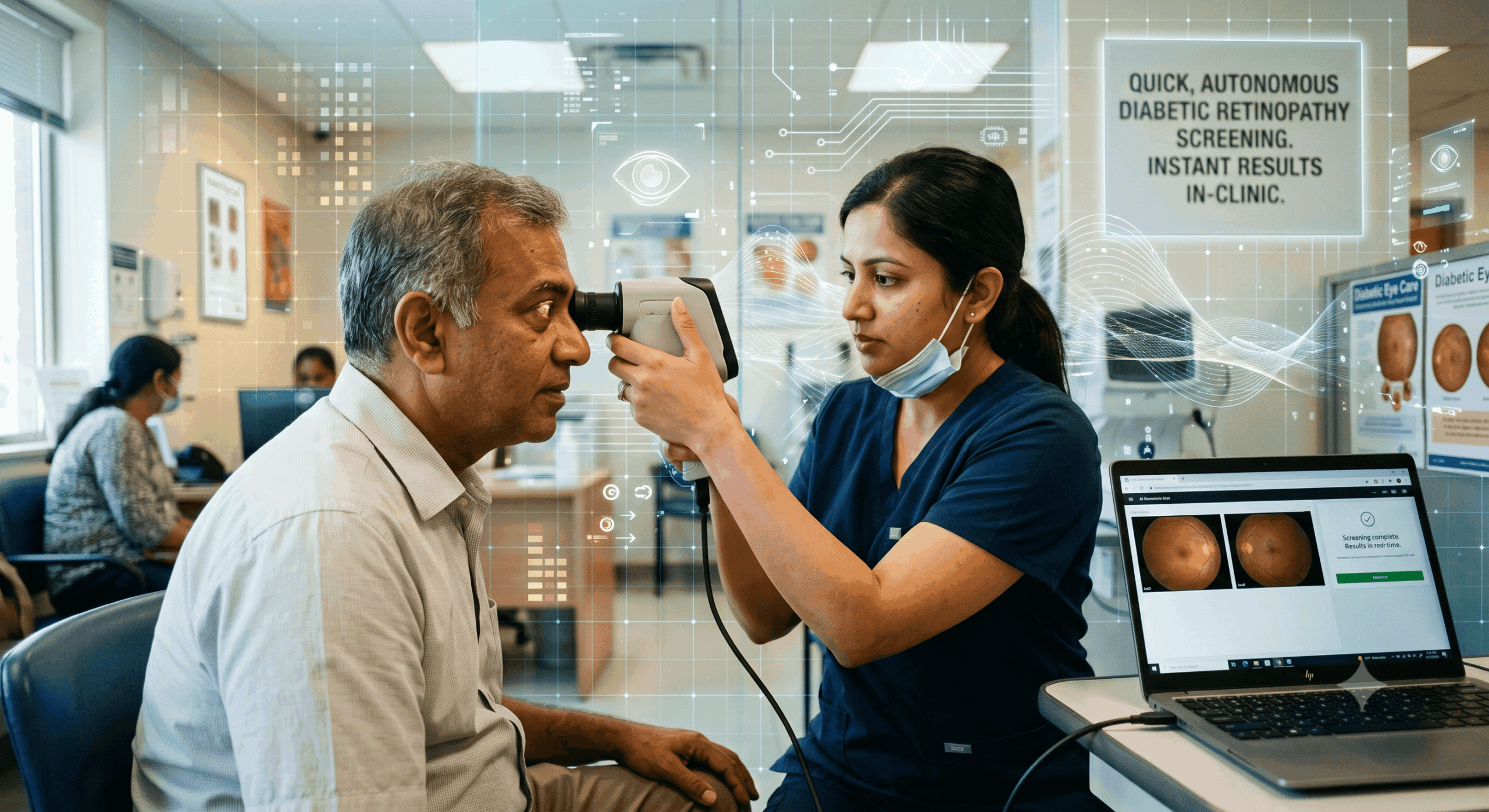
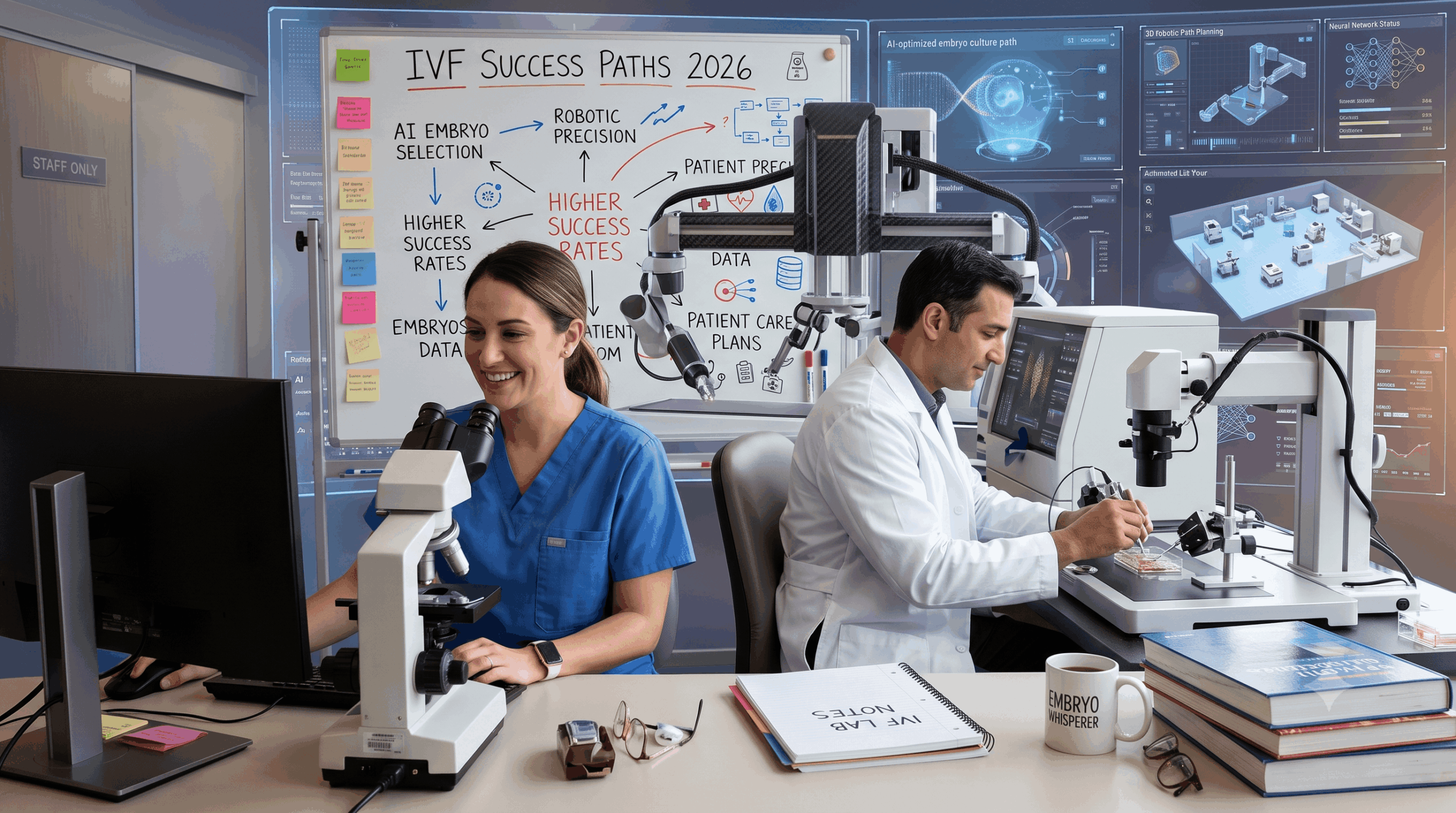
AI-powered clinics are no longer limited to diagnostics or automation at the front desk. In 2026, AI-assisted surgery for diabetes clinics is revolutionising the treatment of chronic complications across India.
Robotic surgical systems are enabling more precise interventions for diabetic foot ulcers, vascular complicationthefection man of infectionsagement. At the same time, intelligent software is coordinating surgical planning, patient histories, post-operative monitoring, and long-term follow-ups through a single AI-powered clinic management platform like EasyClinic.
India carries one of the world’s largest diabetes burdens. As complication rates rise, diabetology clinics are being pushed into surgical decision-making faster and more frequently than ever before. Yet many clinics still operate with disconnected systems, manual records, and fragmented workflows.
This gap between advanced robotics and outdated operations is where AI-powered EMR software from EasyClinic is becoming essential infrastructure rather than optional technology.
2. Recent Robotic and AI Automation Trends Reshaping Diabetology Clinics in 2026
By 2026, diabetology will no longer be confined to glucose management and lifestyle counselling. The speciality is rapidly evolving into a precision-driven, intervention-ready domain, powered by AI-assisted surgery, robotics, and intelligent automation.
What is driving this shift is not hype, but necessity. India’s growing diabetic population is experiencing complications earlier, more frequently, and with higher severity. Clinics are being forced to move from reactive care to predictive and precision-based intervention models.
Below is a deeper look at the most influential robotic and AI automation trends shaping diabetology clinics in 2026.
| AI and Robotics Trend | What Is Changing in Clinical Practice | Why It Matters for Diabetology Clinics |
| Robotic-assisted diabetic foot surgery | Surgical robots assist with precision debridement and reconstruction | Reduces amputation rates and improves healing outcomes |
| AI-driven surgical risk stratification | AI models analyse imaging, labs, and history before surgery | Enables safer decision-making for high-risk diabetic patients |
| Predictive complication modelling | Machine learning forecasts infection, ischemia, and recurrence | Allows early intervention instead of emergency surgery |
| AI-integrated imaging interpretation | AI supports vascular and tissue imaging analysis | Improves surgical planning accuracy |
| Continuous perioperative monitoring via IoMT | Wearables track glucose, vitals, and inflammation markers | Reduces ppostoperativecomplications |
| Automated post-surgical care pathways | AI schedules follow-ups, reminders, and alerts | Improves recovery adherence and outcomes |
| Robotics-assisted wound management | Semi-automated systems assist wound care teams | Reduces nursing workload and infection risk |
However, these trends only succeed when data flows seamlessly across departments.
This is where AI-powered clinic management platforms like EasyClinic become critical. Robotics may perform the procedure, but it is the AI-powered EMR software that ensures surAI-drivenes, risk scores, imaging, billing, and follow-up plans remain connected in a single workflow.
Without intelligent operational software, even the most advanced robotic intervention becomes fragmented and inefficient.
3. Why Diabetology Clinics in India Are Under Pressure Right Now
Dino-showsy clinics across India are facing unprecedented strain.
Patient volumes are increasing rapidly. Skilled nursing and surgical staff shortages are worsening. Regulatory expectations around documentation and digital records are rising. Patients expect faster care, clearer communication, and continuous monitoring.
Many clinics are still managing 2025 complexity using systems designed more than a decade ago.
Manual scheduling causes surgical backlogs. Paper-based records delay decision-making. Postoperative follow-ups rely on phone calls. Financial leakages occur silently.
This is why AI-powered clinic management platforms like EasyClinic are being adopted not as AI-powered tools, but as postoperative val infrastructure.
4. The Biggest Operational Problems Holding Diabetic Clinics Back
The most damaging problems are operational, not clinical.
- Manual scheduling creates missed follow-ups and overloaded surgeons
• Fragmented patient records slow urgent decisions
• Billing errors reduce revenue from high-cost procedures
• Poor follow-up tracking increases infection risk
• No high-cost visibility into outcomes or capacity
Imagine performing robotic diabetic foot surgery while discharge summaries, follow-up reminders, and billing are still handled manually. Advanced care brief follow-up because operations cannot keep up.
This is exactly where AI-powered EMR software from EasyClinic closes the gap.
5. Why AI Diagnostics and Robotics Are Exploding in Diabetology Clinics in 2026
AI does not replace doctors. It replaces inefficiency.
In 2026, AI robotics in diabetology care is accelerating because diabetic complications demand precision, speed, and coordination. Robotics enables minimally invasive surgery. AI diagnostics identify risks earlier. Automation reduces administrative load.
But robotics alone is not enough.
Without intelligent systems connecting diagnostics, surgery, follow-ups, and billing, clinics cannot scale AI-first.t That is why AI-driven clinic management features inside EasyClinic are becoming the foundation that allows robotics to function effectively.
6. How AI-Powered EMR Software Solves These Problems
Every mafuture-readye maps directly to an AI solution.
Smart scheduling inside AI-powered EMR software reduces no-shows and balances surgical workloads.
Patient data is organised instantly through an intelligent medical record system.
Predictive analytics identify patients likely to need AI-powered intervention.
Automated billing audits reduce revenue leakage.
Dashboards give clinic owners control and clarity.
AI-powered clinic management platforms like EasyClinic are built to anticipate AI-powered just record data.
AI-Powered diabetologists and surgeons to focus on care while operations run in the background.
7. Real World Use Cases Clinics Can Relate To
A multi-speciality clinic in Bengaluru integrated robotic surgery with an AI multi-speciality platform. Surgical delays dropped, and post-OP oAI-poweredomplications reduced because patient data, scheduling, and follow-ups were fully connected.
A cardiology and diabetology centre adopted an AI-powered EMR to automate follow-ups and monitoring. Readmissions decreased, and patient satisfaction improved.
A regional clinic network used predictive analytics to identify high-risk diabetic foot cases earlier, reducing emergency?y surgeries.
These results are becoming common as clinics adopt AI-powered systems like EasyClinic.
8. Robotics, AI, and EMR as One Intelligent System
Robotics and AI-assisted surgery are only one part of the transformation. The real breakthrough happens when robotic precision is supported by intelligent clinic operations.
Robotic systems generate massive volumes of clinical data. Imaging outputs, intraoperative metrics, tissue response indicators, glucose variability, and recovery timelines all need to be interpreted, stored, and acted upon.
This is where many clinics struggle.
Robotics without an AI-powered clinic management system like EasyClinic leads to data silos, delayed follow-ups, compliance risks, and missed insights.
Here is how the complete ecosystem works when properly integrated:
Robots generate high-fidelity surgical and monitoring data.
AI models analyse this data to predict outcomes and risks.
The AI-powered EMR platform operationalises these insights across the clinic.
With EasyClinic’s intelligent clinic management features, this integration becomes practical and scalable.
- Surgical data automatically links to patient records
• AI insights trigger follow-up schedules and alerts
• Post-operative monitoring flows into long-term care plans
• Billing and compliance documentation is generated seamlessly
• Clinic owners gain real-time visibility into outcomes and efficiency
This is why robotics without intelligent clinic management is incomplete.
A robotic diabetic foot surgery may be technically successful, but without automated follow-ups, predictive alerts, and continuity tracking, long-term outcomes suffer.
EasyClinic acts as the operational nervous system, connecting robotics, AI analytics, clinical decision making, and patient engagement into a single coordinated experience.
In 2026, the clinics that succeed will not be the ones with the most advanced robots alone. They will be the ones that combine robotic precision with AI-powered EMR software and clinic management intelligence.
That is where EasyClinic positions itself not as a tool, but as the backbone of AI-driven diabetology care.
9. What Diabetology Clinics in India Must Do to Stay Competitive
Clinics that delay transformation will fall behind.
To remain competitive, clinics must digitise workflows, adopt AI-first systems, prepare for robotics integration, and choose scalable clinic management platforms such as EasyClinic.
EasyClinic enables gradual adoption without disrupting existing operations while remaining future-ready.
10. Cost, ROI, and Business Impact of AI-Powered Clinic Management
The cost of not adopting AI is higher than implementing AI-powered care increases complications. Manual billing leaks revenue. Staff burnout increases turnover.
Clinics using transparent pricing for AI-powered clinic software through EasyClinic pricing plans see ROI through time saved, fewer complications, better capacity utilisation, and improved retention.
Efficiency compounds over time.
11. Be a Breakthrough Pioneer in AI-Powered EMR Software for Diabetology Clinics in India
Be a breakthrough pioneer in AI-powered EMR software for diabetology clinics in India.
AI-assisted surgery and robotics are already reshaping chronic care. Clinics that are AI-assisted will define the next decade.
Talk to EasyClinic, an AI-powered clinic management platform, to understand how intelligent EMR systems can transform surgical workflows, patient continuity, and operational control in diabetes care.
12. Frequently Asked Questions: AI-Assisted Surgery and Robotics in Diabetology Clinics
What does AI-assisted surgery mean for diabetology clinics in India?
AI-assisted surgery for diabetology clinics refers to the use of artificial intelligence and robotic systems to support precise, minimally invasive surgical procedures commonly required for diabetic complications. These include diabetic foot surgeries, vascular interventions, wound reconstruction, and infection management. AI analyses imaging, patient history, and risk factors to assist surgeons in planning safer procedures, while robotic systems execute movements with higher precision. When combined with an AI-powered clinic management platform like EasyClinic, surgical data, follow-ups, and long-term diabetes care become seamlessly connected.
Which diabetic complications benefit the most from robotic-assisted procedures?
Robotic-assisted procedures are especially effective for diabetic foot ulcers, peripheral vascular disease, chronic wound management, and limb salvage surgeries. These conditions require extreme precision due to poor circulation and delayed healing in diabetic patients. Robotics enables controlled incisions, reduced tissue trauma, and faster recovery. AI-assisted surgical planning further reduces complications by predicting infection risks and healing timelines, which can then be tracked through AI-powered EMR systems integrated into everyday clinic workflows.
How is AI improving surgical decision-making for diabetic patients?
AI improves surgical decision-making by analysing large volumes of patient data, including lab results, imaging, glucose trends, and co-morbidities. Predictive models identify patients at higher surgical risk and recommend optimal intervention timing. This reduces emergency surgeries and improves outcomes. When these insights are operationalised through AI-driven clinic management software such as EasyClinic, doctors gain real-time alerts, structured documentation, and continuity of care without manual effort.
Is AI-assisted surgery replacing diabetologists or surgeons?
No, AI-assisted surgery does not replace doctors. It augments their expertise. AI removes guesswork, reduces manual planning effort, and supports precision, but clinical judgement remains central. Surgeons and diabetologists use AI insights to make better-informed decisions faster. This collaboration allows doctors to focus on patient care while AI-powered EMR platforms like EasyClinic handle coordination, records, scheduling, and post-surgical follow-ups.
How does robotic surgery affect recovery time for diabetic patients?
Robotic surgery typically results in smaller incisions, reduced blood loss, and lower infection risk. For diabetic patients, this translates into faster healing and fewer complications. AI-driven postoperative monitoring further improves recovery by detecting warning signs early. With AI-powered clinic management systems, recovery milestones, glucose trends, and follow-up schedules are automatically tracked, ensuring no patient falls through the cracks.
Are AI-assisted surgical systems affordable for diabetology clinics in India?
While robotic systems involve upfront investment, the long-term return on investment is significant. Clinics benefit from reduced complications, fewer readmissions, improved patient trust, and higher procedural efficiency. When combined with scalable AI-powered clinic management solutions like EasyClinic, clinics also save on administrative costs, billing errors, and staff workload, making adoption more financially viable even for mid-sized practices.
How does AI-powered EMR software support robotic surgery workflows?
AI-powered EMR software acts as the operational backbone of robotic surgery workflows. It connects surgical planning, intraoperative data, postoperative notes, imaging, billing, and long-term care into a single system. Platforms such as EasyClinic’s AI-powered EMR and clinic management solution ensure that robotic surgery data is not isolated but used to improve outcomes, compliance, and continuity of diabetic care.
13. Conclusion: Precision Care Needs Intelligent Operations
AI-assisted surgery is solving problems that once felt unavoidable.
But robotics without intelligent operations cannot scale.
The future of diabetes care belongs to clinics that connect AI, robotics, and workflows through platforms like EasyClinic. The smarter future is already here.