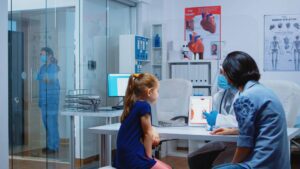
Excited about starting a clinic in Rwanda? With a population of over 13 million and a healthcare system that’s rapidly evolving, Rwanda offers a promising landscape for private clinics. The World Bank (2023) highlights a doctor-to-patient ratio of 0.1 per 1,000, creating a clear need for more facilities. Rwanda’s Vision 2050 and the Health Sector Strategic Plan (HSSP V, 2018–2024) encourage private investment, making this the perfect time to act. This guide walks you through every phase—registration, planning, and operations—to help you launch a successful clinic. Let’s embark on starting a clinic in Rwanda together!
Table of Contents
- Introduction: Why Start a Clinic in Rwanda?
- Market Survey: Understand the Healthcare Landscape
- Choose the Type of Clinic to Start
- Training and Qualifications Needed
- Understand Healthcare Regulations in Rwanda
- Create a Business Plan for Your Clinic
- Select a Location for Your Clinic
- Register Your Clinic Business
- Obtain Licenses to Operate Legally
- Services and Infrastructure for a Clinic
- Procurement: Medical Equipment for Clinics
- Hire Qualified Staff for Your Clinic
- Plan for Facility Inspection
- Submit Documentation to RMDC/MoH
- General Operations for Running a Clinic
- Build Partnerships for Growth
- Marketing and Patient Relations
- Conclusion
Introduction: Why Start a Clinic in Rwanda?
Rwanda’s healthcare journey is inspiring, and starting a clinic in Rwanda can be your chance to contribute. The country boasts a 77% health insurance coverage rate (World Bank, 2023), yet rural areas still face shortages, offering a niche for private providers. Government initiatives like community-based health insurance (CBHI) and partnerships with organisations like Partners In Health drive demand for quality care, while the health sector’s 10% GDP contribution (Trade.gov, 2023) signals economic potential. Whether you’re a doctor or entrepreneur, your clinic can fill gaps while tapping into a growing market.
- Market Opportunity: Rising demand for specialised and primary care is evident, with rural areas needing more maternal and NCD services due to limited access, creating a profitable niche for private clinics.
- Government Support: HSSP V promotes private sector growth by offering incentives and frameworks, making it easier to secure approvals and partnerships for your venture.
- Health Progress: Maternal mortality dropped from 476 to 248 per 100,000 (WHO, 2022), reflecting improved systems, yet gaps remain that your clinic can address effectively.
- Economic Benefit: The health sector contributes 10% to GDP (Trade.gov, 2023), offering a stable revenue stream as healthcare spending rises with Rwanda’s economic development.
- Challenges: Navigate strict regulations and funding needs, which require careful planning and possibly seeking loans or investors to overcome initial hurdles.
Market Survey: Understand the Healthcare Landscape
Before starting a clinic in Rwanda, dive into the healthcare scene. Rwanda’s system includes community health workers (CHWs), health centres, and district hospitals, with private clinics gaining traction as public facilities struggle. The 2022 USAID report notes 60% of rural residents rely on CHWs due to distance, signalling a need for accessible private options.
- System Overview: The three-tier system with CHWs at the base provides primary care, healthcentress offer secondary services, and hospitals handle advanced cases, offering a layered market to target.
- Demand Areas: Maternal care is critical in rural East, where facilities are scarce, while NCDs like diabetes are rising in Kigali, presenting specific service opportunities.
- Competition: The private sector serves 30% of care (Ministry of Health), dominated by not-for-profit entities, leaving room for profit-driven clinics with better equipment.
- Patient Trends: 77% use CBHI (World Bank, 2023), influencing payment models and encouraging clinics to accept insurance for broader reach.
- Research Tools: Check data for statistics or conduct local surveys to identify underserved zones and patient preferences.
Choose the Type of Clinic to Start
Picking the right clinic type sets the tone for starting a clinic in Rwanda. Options reflect local needs and your expertise, from general to specialised care, ensuring alignment with market gaps.
- Options: General practice serves broad needs, maternal health targets rural demand, diagnostics cater to urban growth, and mobile units reach remote areas with flexible services.
- Skill Fit: Align with your RMDC qualifications or partner with specialists, leveraging your experience to meet specific health challenges like maternal care shortages.
- Local Needs: Focus on rural maternal care where midwives are overstretched or urban NCD clinics where lifestyle diseases are increasing, based on health data trends.
- Budget: Start with USh5 million–USh15 million for a small setup, allowing you to test the market before expanding into larger facilities.
- Growth: Scale with HSSP V support, which encourages private expansion through subsidies and partnerships, ensuring long-term sustainability.
Training and Qualifications Needed
Qualifications are your foundation for starting a clinic in Rwanda. Registration with the Rwanda Medical and Dental Council (RMDC) is mandatory to operate legally and competently.
- Core Requirements: An MBBS or equivalent degree, followed by internship and RMDC approval, ensures you meet the country’s high medical standards for practice.
- Licenses: An annual practising license costs RWF50,000–100,000, a necessary expense to maintain legal operation and professional credibility.
- Specialisations: Add skills like ultrasound, which is key for rural areas where advanced diagnostics are scarce, enhancing your clinic’s service range.
- Staff Training: Ensure nurses and techs are RMDC-registered, providing ongoing education to keep skills current and compliant with health regulations.
- Development: Attend workshops to stay updated on best practices, boosting your clinic’s reputation.
Understand Healthcare Regulations in Rwanda
Regulations ensure quality when starting a clinic in Rwanda. Multiple bodies oversee compliance, from medical practice to environmental standards, protecting public health.
- Key Bodies: The RMDC governs medical practice, the Ministry of Health sets facility standards, RDB handles, and REMA enforces environmental rules, creating a robust oversight network.
- Licenses: Require personal RMDC approval and facility permits, ensuring all aspects of your clinic meet national health criteria before operation.
- Policies: Follow waste disposal guidelines and building codes, which are strictly monitored to maintain hygiene and safety standards across facilities.
- Penalties: Non-compliance risks fines or closure, as seen in past audits, emphasising the need for thorough adherence to regulations.
- Updates: Track for policy shifts, such as new environmental rules, to stay compliant and avoid disruptions.
Create a Business Plan for Your Clinic
A strong business plan is vital for starting a clinic in Rwanda. It guides funding and operations while aligning with market needs, providing a roadmap for success.
- Target Market: Focus on the urban middle class seeking quality care or rural underserved areas where 60% of the population lives, tailoring services to their needs.
- Financials: Budget USh5 million–USh20 million for startup costs, projecting USh1 million–USh5 million monthly revenue based on patient volume and service fees.
- Marketing: Invest in branding (RWF200,000) for a professional image and a website (RWF500,000) to attract online patients, leveraging digital trends.
- Infrastructure: Plan consultation rooms and EMR systems, which are increasingly adopted to streamline operations and meet HSSP V digitisation goals.
- Projections: Aim for a 12–18 month break-even period, using templates to forecast cash flow and adjust strategies.
Select a Location for Your Clinic
Location strategy drives success in starting a clinic in Rwanda. Accessibility and demand are key to attracting patients and ensuring viability.
- Accessibility: Choose areas with good roads to serve patients easily, avoiding remote hilly regions where transport challenges limit reach.
- Demographics: Target Kigali (rent RWF200,000–RWF800,000) with its urban population, or rural Ruhengeri (RWF80,000–RWF200,000) with underserved communities.
- Visibility: Opt for high-traffic zones with signage to draw attention, enhancing your clinic’s presence in competitive areas.
- Infrastructure: Ensure reliable power with solar panels and clean water systems, critical for operations in areas with inconsistent utilities.
- Site Survey: Assess competition and patient flow to select a strategic spot with growth potential.
Register Your Clinic Business
Registration is your first legal step in starting a clinic in Rwanda. The Rwanda Development Board (RDB) leads the process with efficiency.
- Process: Register online for RWF100,000–RWF500,000, submitting business details and ownership documents to establish legality.
- Tax ID: Obtain a TIN at no cost, a mandatory step for tax compliance and financial tracking.
- Timeline: Expect 1–2 weeks with documents like ID and address proof, streamlining the process through Rwanda’s e-government platform.
- Support: Hire consultants for PPP alignment, especially if seeking government-backed funding or partnerships.
- Local Permits: Secure district council approval for RWF50,000–RWF200,000, ensuring local compliance and community acceptance.
Obtain Licenses to Operate Legally
Licenses legitimise starting a clinic in Rwanda. Multiple approvals ensure your clinic meets national health and safety standards.
- Professional License: RMDC approval costs RWF50,000–RWF100,000 per year, verifying your credentials to practice medicine legally.
- Business Permit: The Ministry of Health issues this for RWF100,000–RWF300,000, confirming your clinic’s operational readiness.
- Facility License: Meet infrastructure standards for RWF200,000–RWF500,000, ensuring space and equipment meet health guidelines.
- REMA: Environmental permit costs RWF100,000–RWF300,000, covering waste management and ecological compliance.
- Renewal: Annual checks are required, aligning with HSSP V guidelines to maintain ongoing compliance.
Services and Infrastructure for a Clinic
Services and setup define your clinic when starting a clinic in Rwanda. Tailor them to local health priorities to maximise impact.
- Services: Offer consultations for general health, labs for diagnostics, and maternal care to address rural gaps, meeting the needs of 60% of the rural population.
- Layout: Include a waiting area for patient comfort, 2–3 consultation rooms for privacy, and a pharmacy for convenience, all integrated with EMR systems.
- Amenities: Secure power with solar panels to counter outages and clean water systems to maintain hygiene, essential for rural and urban settings.
- Emergency: Stock first aid kits and basic emergency tools, aligning with CHW support to handle unexpected cases effectively.
- Technology: Used to digitise records, improving efficiency and meeting Rwanda’s health tech goals.
Procurement: Medical Equipment for Clinics
Equipment is the lifeline of starting a clinic in Rwanda. Source wisely to meet demand and ensure quality care.
- Basics: Stethoscopes for routine checks, BP monitors for vital signs, and an autoclave for sterilisation, costing RWF800,000–RWF4 million to set up.
- Advanced: Ultrasound for prenatal care and ECG for heart monitoring, priced at RWF2 million–RWF8 million, enhancing diagnostic capabilities per Trade.gov needs.
- Supplies: Stock medications for common illnesses and syringes for injections, budgeting RWF400,000–RWF1.2 million to maintain inventory.
- Sourcing: Buy from local dealers for quick access or partner with PPPs for cost-effective imports, reducing reliance on expensive channels.
- Maintenance: Plan regular upkeep schedules, addressing import reliance by training staff to handle basic repairs.
Hire Qualified Staff for Your Clinic
A skilled team supports starting a clinic in Rwanda. Address the workforce shortage with strategic hiring.
- Roles: Employ a doctor to lead care, a nurse for patient support (RWF200,000–RWF400,000/month), and a midwife for maternal services (RWF150,000–RWF300,000), filling critical gaps.
- Qualifications: Verify RMDC licenses to ensure legal practice, a key factor in retaining skilled professionals amid shortages.
- Training: Offer EMR and protocol training to enhance skills, aligning with Rwanda’s push for digital health solutions.
- Retention: Provide incentives like bonuses or housing support, addressing the 0.1 doctor-per-1,000 ratio challenge per World Bank data.
- Scaling: Hire 4–5 staff as patient numbers grow, planning for expansion based on demand trends.
Plan for Facility Inspection
Inspections validate your clinic when starting a clinic in Rwanda. Preparation ensures compliance with health standards.
- Scheduling: Coordinate with RMDC and district health offices to set a date, allowing time to prepare all aspects of your facility.
- Standards: Ensure cleanliness with regular cleaning, safety with fire exits, and functional equipment, meeting Ministry of Health criteria.
- Mock Checks: Conduct internal reviews to address issues like power outages or sanitation lapses, identifying weaknesses before the official visit.
- Feedback: Resolve concerns within 1–2 weeks, following eHealth standards to avoid delays in approval.
- Preparation: Maintain regular upkeep, aligning with HSSP V goals to demonstrate commitment to quality care.
Submit Documentation to RMDC/MoH
Documentation ensures compliance for starting a clinic in Rwanda. Proper submission avoids delays in approval.
- Required: Submit an RDB certificate for business registration, RMDC licenses for staff, facility plans for layout, and financial projections for viability assessment.
- Submission: File with RDB, RMDC, and REMA, costing RWF500,000–RWF1.5 million, using online portals for efficiency.
- Tracking: Use the online portal to monitor progress, ensuring timely follow-ups.
- Support: Consult experts for PPP compliance, especially if navigating complex environmental or health regulations.
- Follow-Up: Monitor progress regularly, aligning with Ministry goals to secure final approvals smoothly.
General Operations for Running a Clinic
Efficient operations sustain starting a clinic in Rwanda. A well-run clinic builds patient trust and profitability.
- Workflow: Manage check-in for smooth arrivals, consultations for care delivery, billing for revenue, and EMR updates for records, creating a seamless process.
- Finances: Track RWF1 million in monthly revenue from patient fees and RWF800,000 in expenses for staff and supplies, ensuring a healthy margin.
- Inventory: Monitor stocks of drugs and supplies weekly, addressing shortages by ordering in advance to avoid disruptions.
- Patient Flow: Use appointment systems to reduce wait times, leveraging mHealth trends to improve scheduling efficiency.
- Review: Assess daily performance with staff meetings, using data to identify areas for improvement.
Build Partnerships for Growth
Partnerships propel the start of a clinic in Rwanda. Collaborations expand your reach and resources.
- Stakeholders: Collaborate with hospitals for referrals, NGOs like Partners In Health for funding, and the WHO for technical support, broadening your network.
- Referrals: Network with CHWs or local doctors to send patients your way, leveraging community trust to increase clientele.
- Funding: Seek grants or PPPs with government bodies, securing capital for expansion.
- Community: Join health campaigns like vaccination drives, per Vision 2050, to build your clinic’s reputation in the region.
- Benefits: Boost credibility and patient trust, aligning with Universal Health Coverage (UHC) goals to enhance long-term growth.
Marketing and Patient Relations
Marketing drives the start of a clinic in Rwanda. Effective strategies attract patients and build loyalty.
- Branding: Create a logo and signage for RWF200,000–RWF400,000, establishing a professional identity that stands out in the market.
- Online: Build a website for RWF400,000–RWF1.2 million and use it to reach a wider audience, tapping into digital health trends.
- Referrals: Offer discounts for referrals to encourage word-of-mouth, countering perceptions of poor service in public facilities.
- Service: Train staff in patient care to improve satisfaction, per RMDC guidelines, fostering a welcoming environment.
- Events: Host openings with free health checks, per mHealth outreach models, to attract initial patients and build community ties.
How Much Does It Really Cost to Start a Clinic in Rwanda in 2025?
One of the most common questions entrepreneurs ask before opening a clinic in Rwanda is about real startup costs. While Rwanda is business-friendly, healthcare requires careful budgeting to avoid delays and compliance issues.
Startup costs for a clinic in Rwanda depend on location, services, and scale. A small outpatient clinic in a semi-urban district may cost significantly less than a multi-room facility in Kigali.
Key cost components include:
Business registration and licensing fees with RDB, RMDC, and MoH
Facility rent and renovations, especially to meet infection control standards
Medical equipment procurement, including diagnostics and sterilisation tools
Staff salaries for licensed doctors, nurses, and admin staff
Digital systems, including EMR and patient management software
Clinics that plan financially from day one typically break even within 12–18 months, especially when aligned with CBHI and referral networks. Understanding true costs helps ensure your clinic in Rwanda launches sustainably, not reactively.
What Makes Rwanda One of the Most Clinic-Friendly Countries in Africa?
Rwanda has quietly become one of Africa’s most structured healthcare ecosystems. For anyone planning a clinic in Rwanda, this stability creates a rare advantage.
What sets Rwanda apart:
Centralised regulation via RMDC and MoH reduces ambiguity
Digital-first governance speeds up registration and approvals
High insurance penetration through CBHI ensures predictable patient payments
Strong public-private collaboration, especially under Vision 2050
Unlike fragmented systems elsewhere, Rwanda’s healthcare roadmap actively welcomes private clinics that improve access and quality. This makes opening a clinic in Rwanda less risky and more policy-aligned than many neighbouring markets.
When Is the Best Time to Open a Clinic in Rwanda—and Why Timing Matters
Timing plays a critical role in the success of a clinic in Rwanda. Many founders underestimate how policy cycles, funding windows, and population trends affect clinic viability.
Right now is strategically favourable because:
HSSP V transitions into new health expansion phases
Urban migration is increasing patient density
Donor-funded programs are shifting toward private delivery
Healthcard digitisation is accelerating nationwide
Clinics launched during policy expansion phases often gain faster approvals, stronger partnerships, and early patient trust. Delaying entry could mean facing higher competition once market saturation increases.
Why Clinics That Digitise Early Succeed Faster in Rwanda
Digital adoption is no longer optional for a modern clinic in Rwanda. Clinics that digitise operations early see better compliance, faster patient flow, and stronger trust from regulators.
Early digital advantages include:
Faster RMDC and MoH audits
Better insurance claim tracking
Reduced patient wait times
Stronger data security compliance
Easier scaling to multi-location clinics
Clinics that combine clinical care with digital efficiency position themselves as future-ready healthcare providers in Rwanda’s rapidly evolving system.
FAQ SECTION: Clinic in Rwanda (SEO-Optimised)
1. Is it legally allowed for foreigners to open a clinic in Rwanda?
Yes. Foreigners can open a clinic in Rwanda after registering with RDB and meeting RMDC and MoH requirements.
2. How long does it take to register a clinic in Rwanda?
On average, registering a clinic in Rwanda takes 4–8 weeks, depending on documentation and inspections.
3. What licenses are mandatory for a clinic in Rwanda?
You need RMDC professional licenses, MoH facility approval, RDB registration, and environmental clearance.
4. Can a clinic in Rwanda accept community-based health insurance (CBHI)?
Yes. Most successful clinics in Rwanda integrate CBHI to expand patient access and revenue stability.
5. What is the minimum space required for a clinic in Rwanda?
A basic clinic in Rwanda typically requires consultation rooms, a waiting area, sanitation facilities, and waste disposal compliance.
6. Are inspections mandatory before opening a clinic in Rwanda?
Yes. Facility inspection by district health authorities and the MoH is mandatory before approval.
7. How profitable is running a clinic in Rwanda?
Profitability depends on location, services, and insurance integration, but many clinics reach break-even within 12–18 months.
8. Do clinics in Rwanda need digital medical records?
While not legally mandatory everywhere, EMR systems are strongly encouraged and increasingly expected.
9. Can one doctor operate multiple clinics in Rwanda?
Yes, subject to RMDC approval and staffing compliance at each clinic in Rwanda.
10. What is the biggest mistake when starting a clinic in Rwanda?
The most common mistake is underestimating regulatory preparation and launching without a scalable operational plan.
Conclusion
Starting a clinic in Rwanda is a rewarding venture in a progressive healthcare market. From conducting market surveys to securing licenses, procuring equipment, and building partnerships, each step builds a thriving practice. With Vision 2050 and WHO support, the future is bright. Act now – to explore to begin. Your clinic can shape Rwanda’s health future!