1. Introduction: India’s Oncology Workload Is Growing Faster Than Its Systems Can Handle
On any ordinary morning in a mid-sized Indian cancer centre, the day starts long before the clinic doors open. Dozens of patients and caregivers wait outside, many having travelled overnight from nearby states. Some need chemotherapy cycles. Some are here for post-operative follow-ups. Some are awaiting biopsy reports. Many are here for imaging reviews, tumour board consultations, or a change in treatment plan.
India records over 14 lakh new cancer cases every year (ICMR NCRP). Most oncology clinics operate at near full capacity, with patient volumes growing faster than existing clinical workflows. In many centres, oncologists still rely on paper-based files, manual treatment cycle tracking, handwritten chemotherapy notes, and imaging reports scattered across different systems.
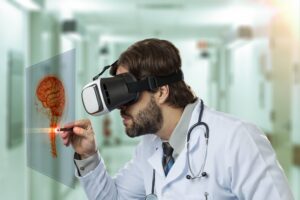
This is where AAI-powered oncology clinic management software is beginning to reshape the way cancer care is delivered. Platforms such as EasyClinic offer a new model of digital oncology—where intelligent automation, predictive workflows, and AI-driven insights allow oncologists to navigate complex cases with greater clarity, faster decision paths, and fewer administrative interruptions.
The demand for robust oncology clinic management software is rising across India because cancer care is both time-sensitive and deeply data-intensive. From chemotherapy cycles to radiotherapy plans, from tumour marker trends to imaging reports, oncology depends on precision. AI makes this possible at scale.
2. The Reality of Oncology Care in India: High Demand, Fragmented Systems, Rising Complexity
Oncology care in India is advancing rapidly, but operational gaps remain significant. Several structural realities shape the current healthcare environment:
- Digital maturity is uneven, especially outside metro cities. Paper-based files, manual registrations, and handwritten chemotherapy records still dominate smaller oncology clinics.
- Patient expectations have increased. Families expect faster imaging reviews, accurate treatment schedules, seamless follow-ups, and clear communication.
- Regulation is evolving. NDHM India, the National Cancer Grid (NCG), and ICMR protocols encourage digitised oncology records, standardised documentation, and secure EMR usage.
- Cancer complexity is rising. More chronic patients survive longer, requiring long-term follow-ups, biologics, immunotherapy, repeat imaging, and continuous monitoring.
- Operational inefficiencies affect care quality. Scheduling errors, missing scans, manual drug inventory management, and chemotherapy delays disrupt patient journeys and overburden staff.
This makes AI not just a modern add-on, but a natural next step for oncology clinics.
AI in clinic management helps:
- Reduce manual tasks
• identify hidden bottlenecks
• manage imaging workflows
• improve treatment documentation
• support precise long-term patient monitoring
Platforms like EasyClinic provide AI-powered care coordination, digital oncology EMRs, chemotherapy cycle automation, treatment tracking, and analytics for decision support.
Explore features: https://easyclinic.io/features/
3. The Everyday Problems Faced by Oncology Clinics in India
While every speciality clinic has its challenges, oncology faces some of the most demanding workflows in medicine. Based on extensive healthcare experience, EasyClinic consistently sees five recurring pain points:
• Overbooked appointments and chaotic scheduling
Oncology consultations depend heavily on imaging timelines, lab reports, and treatment cycles. When these are misaligned, it leads to random crowding at clinics.
Example:
A radiologist’s delay in uploading MRI results causes a ripple effect—oncologist consultations run late, chemotherapy bays get overcrowded, and follow-up patients lose their slots.
• Paper-based patient records and fragmented data
Files containing pathology reports, tumour board recommendations, PET scans, and treatment summaries often float across departments without a unified digital structure.
This results in missing information, delayed decisions, and difficulty tracking treatment response longitudinally.
• Administrative overload reduces clinical focus
Oncology documentation is extremely time-intensive:
- chemotherapy notes
• infusion checklists
• toxicity grading
• follow-up plans
• medication histories
• imaging comparisons
Oncologists lose significant hours documenting instead of performing clinical evaluations.
• Financial errors and disrupted billing cycles
Oncology bills include:
- chemotherapy drug costs
• lab panels
• imaging charges
• day care services
• infusions
• supportive therapy charges
Manual billing mistakes cause disputes, delays, and revenue leakage.
• Compliance pressure from health authorities
With NDHM standards, NCG oncology documentation frameworks, ABHA integration, and mandatory EMR requirements, compliance for oncology clinics is more demanding than ever.
These operational burdens slow down oncologists, frustrate patients, and constrain staff efficiency.
4. How AI Quietly Solves These Challenges in Oncology Care
Instead of adding more administrative layers, AI systems like EasyClinic simplify oncology workflows through intelligent automation.
• AI-Powered Scheduling: Anticipating patient flow and preventing bottlenecks
AI analyses:
- Historical patient volumes
• disease patterns
• imaging turnaround time
• chemotherapy durations
• doctor availability
It then recommends optimal appointment spacing, follow-up times, and day care allotments.
This prevents crowding and reduces patient waiting time.
• Smart Oncology EMR: Auto summarisation and missing data alerts
AI can:
- summarise oncology notes
• highlight abnormal trends in lab reports
• auto-populate recurring chemotherapy details
• flag missing imaging or pending tests
• track toxicity grades and past treatments
This reduces documentation burden and improves data integrity.
• Predictive Analytics for Treatment and Inventory
AI predicts:
- patient return patterns
• chemotherapy supply needs
• drug utilisation
• day care occupancy
• peak operational hours
This enables proactive planning and reduces stockouts or wastage.
• AI-Assisted Billing Checks
AI audits invoices to detect:
- duplicate charges
• mismatched chemotherapy drug codes
• missing infusion entries
• incorrect consumable mapping
This reduces revenue loss and financial disputes.
• Data Insight Dashboards for Oncology Decision Support
AI dashboards give real-time visibility into:
- patient volumes
• chemotherapy trends
• cancer type distribution
• pending reports
• staff utilisation
• treatment patterns
Explore AI-powered features: https://easyclinic.io/features/
Clinics get faster decisions, reduced uncertainty, and clearer visibility across operations.
5. Real World Use Cases: AI in Action Across Speciality Clinics
Although each speciality has its unique nuances, the impact of AI-driven clinic management is universal. Here are three relatable use cases that mirror oncology workflow improvements:
Case 1: A Radiology Clinic in Lagos Reduces Report Backlogs by 40 Per cent
Problem: Manual reporting caused long delays.
AI Solution: Automated structured report templates and imaging workflow prioritisation.
Result: Faster diagnosis delivery, reduced patient waiting, and smoother coordination with oncologists.
Case 2: A Dental Clinic in Kuala Lumpur Improves Scheduling Predictability
Problem: Erratic walk-ins and staff coordination issues.
AI Solution: Predictive scheduling with AI-powered appointment clustering.
Result: 25 per cent improvement in patient retention and smoother resource planning.
Case 3: A Multi-Speciality Centre in Bangalore Improves Patient Flow Efficiency
Problem: Poor coordination between diagnostics, consultations, and procedures.
AI Solution: AI-driven patient flow mapping.
Result: Significant drop in bottlenecks and faster overall care cycles.
While these examples are from different specialities, the underlying transformation is the same.
AI-powered platforms like EasyClinic help any clinic operate smarter, faster, and more predictively, especially in data-heavy fields like oncology.
6. Local Healthcare Context in India: Digital Oncology Is Now a Priority
India’s healthcare policies are evolving quickly toward digital readiness. Oncology is a priority area due to its high disease burden.
Key national initiatives include:
• NDHM India
Encourages EMR adoption, secure data exchange, and oncology documentation standardisation.
• National Cancer Grid (NCG)
Defines structured oncology reporting templates, digital tumour board workflows, and clinical record frameworks.
• ICMR Guidelines
Support digital cancer registries, pathology reporting, and long-term patient monitoring.
• NPCDCS Programs
Expand screening and preventive oncology workflows across primary care.
AI-powered platforms like EasyClinic align with these frameworks by supporting:
- secure data management
• long-term case documentation
• audit trails
• imaging and pathology record retention
• ABHA integration options
• structured oncology EMRs
Explore pricing: https://easyclinic.io/pricing/
Digital maturity in oncology is no longer optional—it is strategically encouraged at the national level.
7. Broader Impact: How AI Transforms the Human Experience in Oncology Clinics
At its core, oncology is deeply emotional. Patients require clarity, reassurance, and predictable care pathways. Staff require streamlined workflows. Oncologists require timely information.
AI improves the human experience in powerful ways:
• Doctors Spend More Time on Care, Less on Administrative Work
By automating documentation, tracking, and scheduling, AI frees up clinicians for meaningful patient interaction.
• Patients Experience Faster Consultations and Personalised Follow Ups
Predictive appointment systems reduce unnecessary visits and long queues.
• Staff Feel Less Burned Out
Repetitive tasks like chemotherapy cycle updates, consent forms, and billing checks are automated.
• Peace of Mind Through Accuracy
AI reduces errors in treatment cycles, imaging records, and drug inventory.
This is where EasyClinic’s AI-powered oncology management truly impacts care:
It makes cancer clinics more human, not more technical.
8. Emerging AI Trends in Oncology + India
Oncology is one of the fastest-growing fields for medical AI. Several high-impact trends are emerging:
• AI Assisted Diagnostics
Deep learning tools detect:
- diabetic retinopathy
• lung nodules
• breast cancer abnormalities
• tumour segmentation
Nature Medicine and IARC publish multiple studies validating AI accuracy.
• Predictive Treatment Planning
AI models forecast:
- chemotherapy toxicity risks
• disease progression
• optimal treatment cycles
• expected imaging changes
• recurrence probabilities
• Workflow Automation Across Oncology Departments
AI automates:
- patient triage
• report routing
• chemotherapy chair scheduling
• internal referrals
• radiology follow-ups
• Digital Pathology and Slide Interpretation
AI models detect cancer cell patterns, grade tumours faster, and reduce inter-observer variability.
• Real Time Imaging Interpretation
AI tools support OCT reading, MRI segmentation, PET CT analysis, and radiomics-driven predictions.
Learn more about AI in healthcare: https://easyclinic.io/ai-healthcare/
With India’s NDHM and NCG supporting digital oncology expansion, clinics adopting AI early gain a long-term operational advantage.
9. Practical Considerations for Oncology Clinics Exploring AI
Here are essential steps for clinics preparing to integrate AI-powered systems:
• Assess Current Data Readiness
Clinics must evaluate existing documentation, imaging, inventory, and patient flow patterns.
• Train Staff Gradually
Introduce AI modules step by step—starting with scheduling, EMR, or inventory.
• Ensure Compliance and Patient Privacy
AI platforms must support NDHM, ABHA, and oncology documentation standards.
• Choose Cloud-Based Platforms
Cloud-driven systems offer better scalability, faster updates, and smoother integrations.
• Start With High Impact Use Cases
AI adoption is easiest when clinics begin with:
- oncology EMR automation
• chemotherapy cycle tracking
• imaging workflow sync
• predictive scheduling
AI-enabled systems like EasyClinic are built to grow with evolving oncology needs.
10. Be a Breakthrough Pioneer in AI – Oncology Clinic Management Software in India
Be a breakthrough pioneer in AI–Clinic Management Software for Oncology Clinics in India.
The AI wave in Indian speciality healthcare is already underway. Oncology clinics that adopt early will lead tomorrow’s cancer care ecosystem.
Talk to EasyClinic to understand how AI-powered clinic management can transform your practice, streamline oncology workflows, and elevate long-term cancer care.
https://easyclinic.io/
11. Frequently Asked Questions (8–9 FAQs)
1. What is oncology clinic management software?
It is a digital system designed to manage oncology workflows like chemotherapy tracking, imaging coordination, EMR documentation, billing, prescriptions, and follow-ups.
2. How does AI benefit oncology clinics?
AI automates documentation, predicts scheduling needs, flags abnormalities, manages inventory, and accelerates decision-making.
3. Can AI improve treatment planning for cancer patients?
Yes. AI analyses historical data, toxicity trends, imaging patterns, and lab markers to support personalised treatment planning.
4. Is AI safe to use in oncology decision-making?
AI does not replace oncologists. It supports them by providing faster insights, reminders, and structured data.
5. Does EasyClinic support chemotherapy cycle tracking?
Yes. EasyClinic includes structured oncology EMRs and cycle-based documentation tools.
6. Can this software integrate with imaging centres?
Yes. AI-powered platforms allow importing imaging reports, tracking pending scans, and flagging missing imaging results.
7. What about NDHM compliance?
Platforms like EasyClinic are built to align with NDHM and EMR interoperability standards.
8. How long does it take to implement AI in oncology clinics?
Most clinics can start using core AI features within 7–14 days, depending on data readiness.
9. Will AI replace staff?
No. It frees staff from repetitive tasks so they can focus on patient-centric care.
12. Conclusion: The Future of Oncology Care Will Be AI-Driven
Indian oncology clinics are entering a new era—one where intelligent automation, structured EMRs, predictive diagnostics, and streamlined workflows redefine cancer care quality.
From scheduling to imaging, from chemotherapy cycles to long-term survivorship plans, AI is helping clinics solve challenges once considered impossible at scale.
The future of oncology is precise, digital, predictive, and AI-powered.
Every clinic in India now has the opportunity to lead this transformation.
Explore more:
- EasyClinic Homepage: https://easyclinic.io/
• EasyClinic Features: https://easyclinic.io/features/
• EasyClinic Pricing: https://easyclinic.io/pricing/
• Contact Us: https://easyclinic.io/contact/