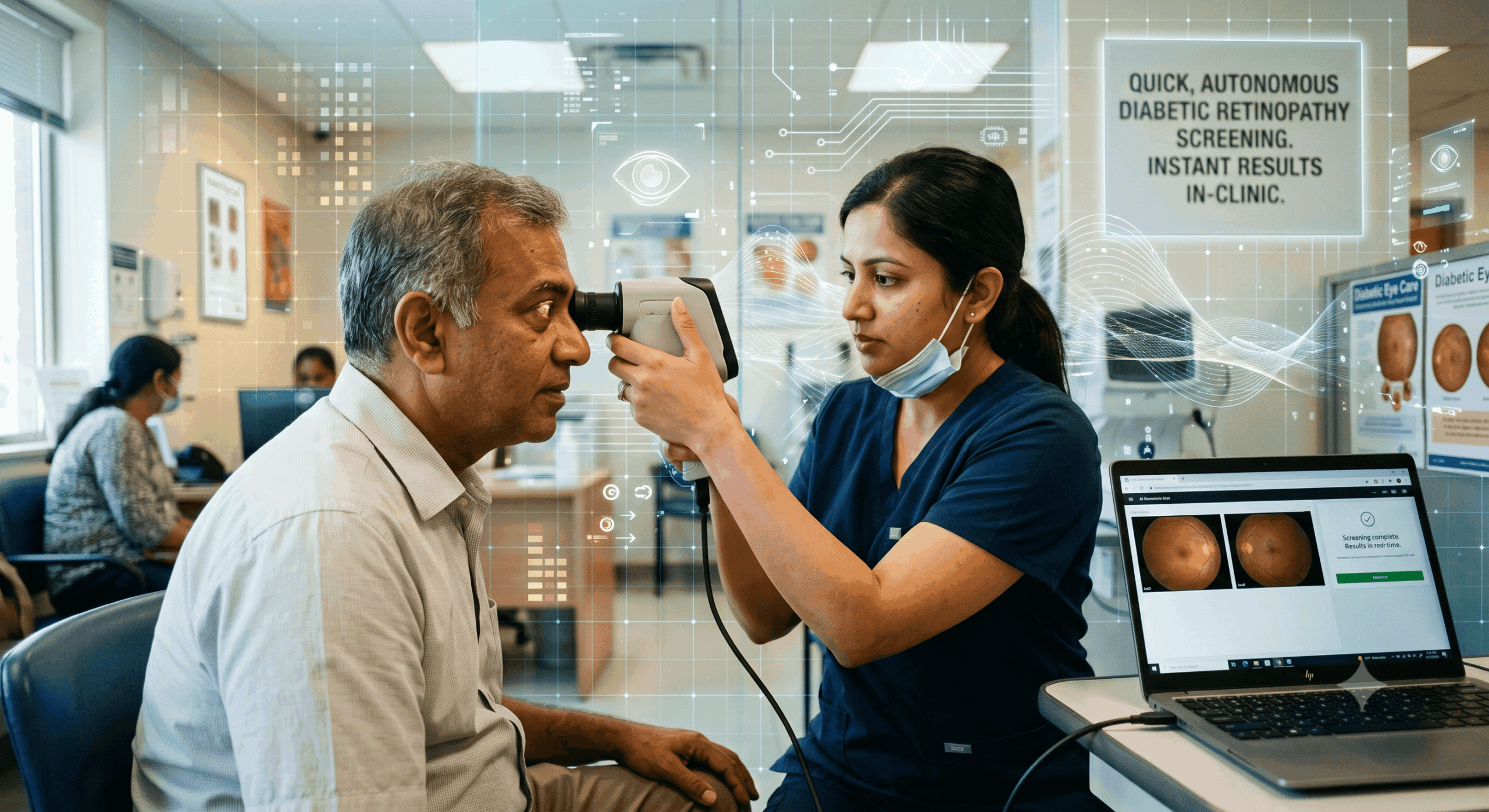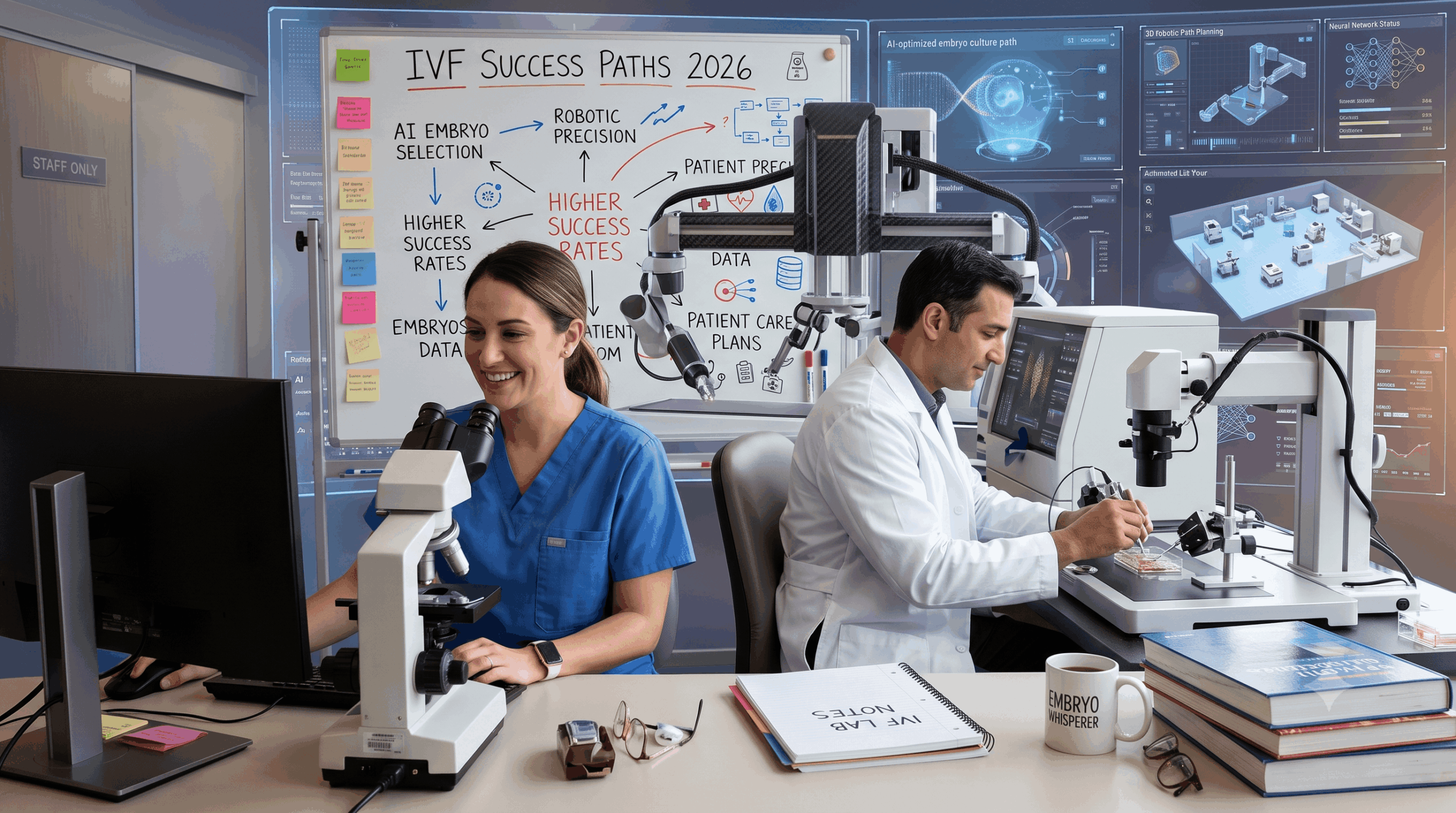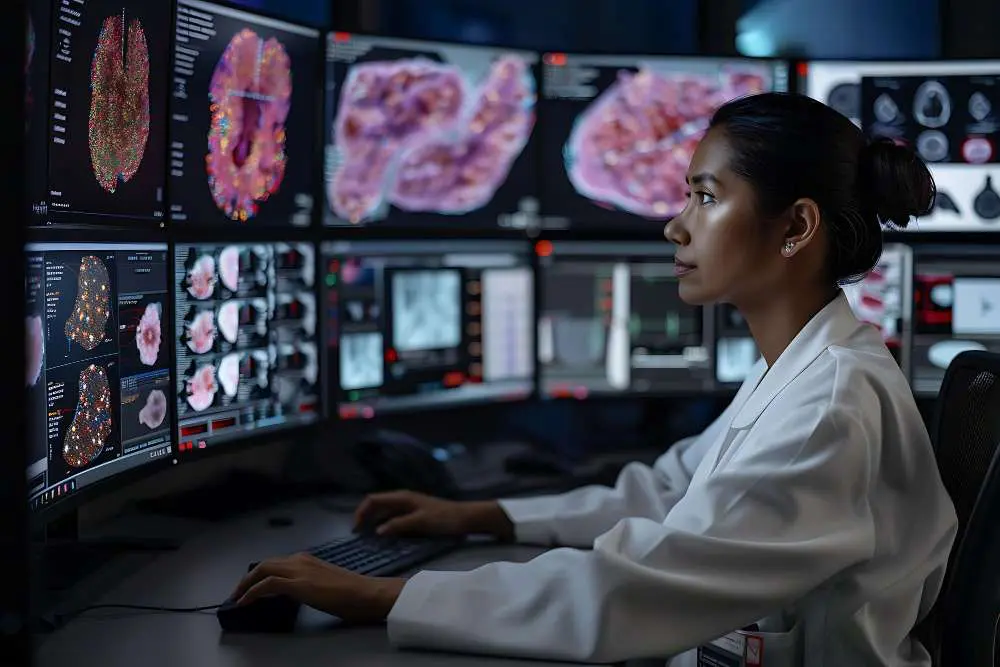
Telepathology is emerging as one of the most impactful remote healthcare solutions, enabling specialists to provide expert pathology diagnoses from virtually anywhere. This digital transformation in medicine empowers doctors and clinics to reach remote populations, optimize medical resources, and improve diagnostic accuracy with greater speed and efficiency. As part of the broader evolution in healthcare software, telepathology complements innovations in EMR software, telemedicine, and digital health data analytics, offering a practical solution to the global shortage of specialized pathology services.
What is Telepathology?
Telepathology refers to the practice of diagnosing tissue samples remotely using digital images and telecommunications technology. Instead of physically examining glass slides under a microscope, pathologists view high-resolution images on screens from thousands of miles away.
Key Components of Telepathology Systems
- Remote-Controlled Microscopes: Allow pathologists to manipulate sample views in real-time.
- High-Resolution Imaging: Provides ultra-clear visuals of cells and tissues.
- Digital Workstations: Feature large, high-definition displays with enhanced contrast and magnification tools.
- Secure Connectivity: Ensures encrypted and HIPAA-compliant data transfers.
Clinics with clinic EMR systems can seamlessly integrate telepathology results into patient records, supporting efficient case documentation and follow-ups.
How Telepathology Works in Practice
Instead of waiting days to physically send tissue samples to specialists, clinics can upload and transmit images instantly via secure channels.
Four Major Telepathology Modalities
- Static Telepathology: Involves capturing and sending select still images for analysis.
- Dynamic Telepathology: Provides live video feeds from microscopes for real-time consultation.
- Robotic Telepathology: Allows pathologists to control a robotic microscope remotely.
- Whole Slide Imaging (WSI): Digitizes the entire slide at high resolution for deep analysis.
Each method has its strengths depending on use case, bandwidth availability, and required diagnostic detail.
Clinical Benefits of Telepathology
Adoption of telepathology is rapidly growing due to its ability to enhance access, reduce turnaround times, and lower operational costs.
Key Advantages
- Improved Accessibility: Brings expert-level diagnostics to rural or underserved locations.
- Faster Diagnosis: Enables same-day reporting, especially critical in oncology and surgical pathology.
- Cross-Institutional Collaboration: Facilitates shared resources among hospitals and academic institutions.
- Reduced Costs: Decreases the need for full-time on-site pathologists.
- Improved Accuracy: Enables double reading and second opinions, increasing diagnostic reliability.
Incorporating telepathology into clinic software allows clinics to align with global standards in diagnostic efficiency.
Applications Across Healthcare Domains
Telepathology is no longer limited to academic research or large metropolitan hospitals. It is becoming integral to daily clinical workflows.
Real-World Use Cases
- Remote Diagnostics in Rural Areas: Rural hospitals in places like Andhra Pradesh can connect with expert pathologists in major cities.
- Second Opinions: Complex cases can be digitally shared for multi-expert review without slide shipping delays.
- Medical Education: Students and trainees can access case libraries and real-time teaching sessions.
- Research: Multi-center studies can remotely share pathology slides, expediting collaboration.
Using EMR software, these interactions are efficiently documented and streamlined within standard patient workflows.
Enhancing Remote Healthcare Solutions
Remote healthcare solutions are incomplete without diagnostic infrastructure. Telepathology fills this critical gap.
Integration Benefits
- Coordinated Care: Enables timely treatment planning for patients in remote regions.
- Tele-oncology: Combines with teleconsultations to accelerate cancer care decisions.
- Digital Surgery Preparation: Surgeons review biopsy results remotely before procedures.
- Virtual Tumor Boards: Enables multi-disciplinary remote case discussions.
These capabilities enhance care continuity and reduce delays in remote areas, supported by clinic management software.
Addressing Challenges in Telepathology
Despite its promise, telepathology faces operational and infrastructural hurdles.
Common Barriers
- High Initial Investment: Advanced imaging systems and servers can be expensive.
- Bandwidth Requirements: Large image files need stable, high-speed internet.
- Training Needs: Technicians and clinicians must be trained in digital image handling.
- Data Security: Stringent measures must be enforced to protect patient confidentiality.
Clinics can mitigate these issues by adopting robust healthcare software platforms that ensure end-to-end encryption and workflow automation.
The Role of AI in Telepathology’s Future
The integration of artificial intelligence is driving new telepathology capabilities that support speed, accuracy, and scalability.
AI-Driven Enhancements
- Automated Image Analysis: AI algorithms detect patterns and flag abnormalities.
- Diagnostic Support Tools: Suggest likely diagnoses, enabling faster decision-making.
- Smart Slide Triage: Prioritizes urgent cases for faster review.
- AI-Powered Learning: Systems get better with each case, improving consistency.
With AI in health data analytics, clinics can leverage these tools while maintaining oversight.
Future Trends: Where Telepathology is Headed
Emerging trends are shaping the next phase of remote healthcare solutions through telepathology.
Upcoming Developments
- Cloud-Based Image Sharing: Streamlines multi-center collaborations.
- Mobile Telepathology Units: Field hospitals and mobile vans equipped with telepathology setups.
- Global Diagnostic Networks: Cross-border pathology services on a shared platform.
- Integration with AI Diagnostics: Creates faster, more consistent diagnosis pipelines.
All these trends will rely heavily on interoperability, a hallmark of advanced EMR software and clinic EMR platforms.
Best Practices for Clinic Implementation
Clinics planning to implement telepathology need to establish solid workflows and infrastructure.
Implementation Tips
- Start with WSI: Whole Slide Imaging offers a broad use case and scalable benefits.
- Integrate with EMRs: Ensure test results are directly fed into clinic software.
- Train Technicians: Regular skill development is essential for image capture and transmission.
- Engage Patients: Keep patients informed using AI-powered communication tools.
By optimizing these elements, clinics can fully leverage the power of telepathology.
Conclusion: Telepathology and the Future of Digital Diagnosis
Telepathology is not just a technological upgrade—it’s a catalyst for global diagnostic equity. It enables timely, high-quality pathology insights for every patient, no matter their location. Clinics that adopt telepathology as part of their remote healthcare solutions strategy—supported by smart EMR software and clinic management software—stand to lead the next era of precision, accessibility, and proactive care.
To explore how EasyClinic can help your practice implement a telepathology-ready infrastructure, contact us today.